
Your Complete Guide to Custom Closet Designers
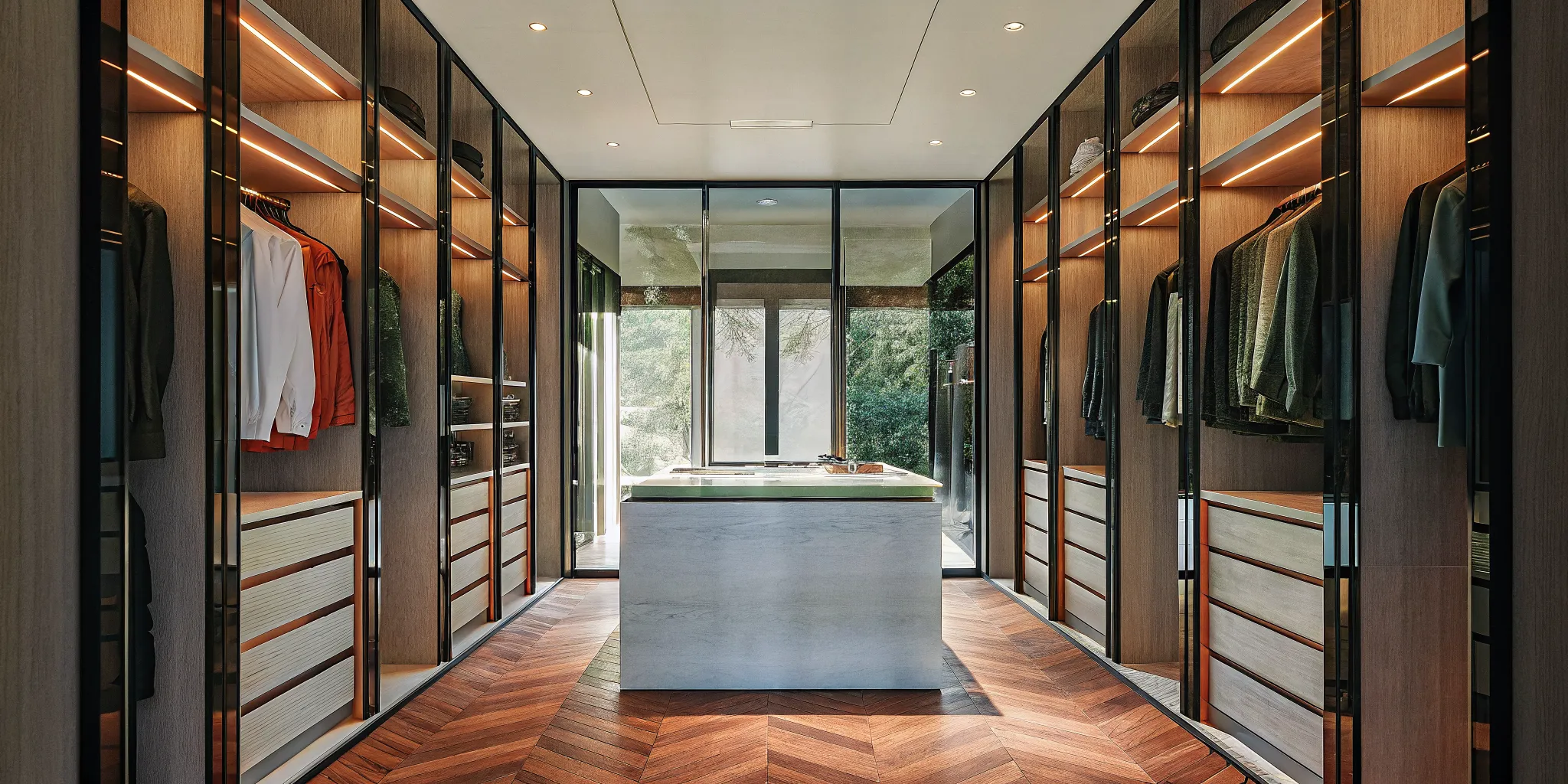
Your life isn't one-size-fits-all, so why should your closet be? Off-the-shelf organizers and DIY kits can only take you so far, often leaving you with wasted space and a system that doesn't quite fit your belongings. This is the core difference with a custom solution. It’s designed from the ground up, specifically for you. Experienced custom closet designers take the time to understand your wardrobe, your habits, and your style. They measure every inch and inventory every item to create a closet that feels intuitive. Instead of you trying to fit your life into a generic box, they build a system that fits your life, making organization feel effortless.
Key Takeaways
- Prepare for your design consultation: Your designer's expertise is most effective when you provide clear information. Before your meeting, take inventory of your belongings and set a realistic budget to ensure the final design perfectly fits your life and finances.
- Think of custom design as a long-term upgrade: While a DIY project might seem cheaper upfront, a professionally designed closet is an investment in quality and efficiency. It uses durable materials and maximizes every inch of your space, adding lasting value to your home.
- Apply custom storage principles to any cluttered space: The same logic that creates a perfect closet can transform other chaotic areas. Consider how a tailored system can bring order to your garage, pantry, or entryway, creating a more functional and organized home overall.
What Does a Custom Closet Designer Do?
Think of a custom closet designer as your personal guide to a more organized life. Their job goes far beyond just suggesting where to put a few shelves. They are expert problem-solvers and creative partners who work with you to transform a cluttered, stressful space into a functional and beautiful part of your home. A great designer blends your vision with their expertise to create a solution that feels like it was always meant to be there.
From Vision to 3D Model
It all starts with a conversation. A designer’s first step is to understand your goals, your frustrations with your current space, and how you want your new closet to make your daily routine easier. They’ll take precise measurements and inventory your belongings, from shoes and sweaters to suits and accessories. Then, they translate that vision into a tangible plan. Using 3D modeling software, they’ll show you exactly how your new closet will look and function. This process helps you visualize the transformation from a cluttered mess into an organized haven and allows you to make adjustments before any work begins. When you’re ready to start, you can book a free consultation to bring your ideas to life.
Guiding Material Selection and Installation
A designer’s expertise is invaluable when it comes to choosing materials. They know which options will give you the look you want while fitting your budget and standing the test of time. A strong closet starts with the right structural material, as cheap hardware and flimsy boards are often the first points of failure in poorly built systems. Your designer will guide you through high-quality finishes and durable hardware selections for your custom closets to ensure your investment looks great for years to come. They also oversee the entire process, making sure the final installation is seamless and professional, leaving you with a perfectly finished space.
Personalizing the Design for Your Lifestyle
This is where a custom solution truly shines. A designer creates a system specifically for your space and storage needs. They’ll ask the important questions: Are you an avid shoe collector? Do you have an extensive collection of long dresses? Do you prefer to hang or fold your jeans? Every closet system should feature thoughtful design, personalized to your needs and style. Instead of you trying to fit your life into a generic closet, a designer builds a closet that fits your life. The result is an intuitive space, like our custom wardrobes, where everything has a designated home, making it easy to find what you need and keep things tidy.
Custom vs. DIY: Which Closet Solution Is for You?
Deciding between a custom-designed closet and a do-it-yourself project can feel like a big choice. On one hand, rolling up your sleeves for a DIY project can be satisfying. On the other, the promise of a perfectly tailored, professionally installed closet is hard to resist. The right path really depends on your goals, your budget, and how you value your time. Let's break down the key differences to help you figure out which solution is the perfect fit for your home and lifestyle.
The Difference in Personalization and Space
The biggest advantage of a custom closet is that it’s made just for you. A professional designer creates a built-in system specifically for your room and your storage needs. Unlike off-the-shelf DIY kits that come in standard sizes, a custom design uses every single inch of your space, even tricky corners or slanted ceilings. This means you get a solution that’s not only beautiful but also incredibly efficient. It’s designed around your life, whether you need more space for a shoe collection, double-hanging rods for shirts and pants, or specialized drawers for accessories. A truly custom closet transforms your space to work for you, not the other way around.
A Look at Material Quality and Durability
When it comes to longevity, materials matter. A common point of failure in closet systems is cheap hardware or flimsy shelving that sags over time. With a DIY project, it can be tempting to choose less expensive materials to save money upfront, but this can lead to frustration and repairs down the road. When you work with a professional, you’re not just getting a design; you’re getting expert guidance on material selection. Designers know which materials offer the best durability and performance for your budget. They use high-quality, furniture-grade materials and sturdy hardware to ensure your wardrobe is built to last, giving you a reliable and beautiful storage system for years to come.
Common Custom Closet Myths, Debunked
Let's clear up a few common misconceptions about custom closets. First is the myth that you need a massive walk-in to justify a custom design. In reality, custom solutions are often most impactful in smaller spaces. A designer can find clever ways to maximize storage in a reach-in closet or a compact entryway, making them far more functional.
Another myth is that DIY will always save you a lot of money. While the initial price tag for a custom closet is higher, it’s an investment in your home’s value and your daily sanity. A professionally installed closet avoids the hidden costs of DIY, like buying specialized tools, fixing mistakes, or replacing a system that doesn't hold up. Getting a free, no-obligation consultation can show you that a custom solution might be more accessible than you think.
How to Choose the Right Custom Closet Designer
Finding the right person to bring your dream closet to life is just as important as the design itself. You're not just hiring someone to install shelves; you're partnering with a professional who will help you transform a key part of your home. The right designer listens to your needs, understands your lifestyle, and has the expertise to create a space that is both beautiful and functional. Taking the time to vet your options ensures you’ll love the process and the final result for years to come. Here’s what to look for to find a designer you can trust.
Review Their Experience and Portfolio
A designer’s portfolio is the best window into their skills and creativity. Before you commit, ask to see examples of their past work. You’ll want to find someone who is well-versed in creating smart, functional layouts. Look for projects that feel similar to what you envision for your own space, whether it’s a spacious walk-in closet or a compact, efficient wardrobe. An experienced designer will have a diverse portfolio that showcases their ability to work with different styles, budgets, and room configurations. This visual proof helps you feel confident that they can deliver on your vision and make the most of your unique space.
Check Customer Reviews and Warranties
What past clients say can tell you a lot about what to expect from a designer. Look for reviews and testimonials on their website or third-party sites. Honest feedback gives you a glimpse into their communication style, professionalism, and the quality of their finished work. A company that is proud of its reputation will be happy to share references. It’s also smart to ask about warranties. A solid warranty on materials and labor shows that a company stands by its craftsmanship and is committed to your long-term satisfaction. It’s a sign that you’re working with true professionals.
Key Questions to Ask Before You Hire
Your initial consultation is the perfect time to ask some key questions. This conversation helps you determine if a designer is the right fit for your project and your personality. Don't be shy about discussing your budget and your specific organizational challenges.
Here are a few questions to get you started:
- What does your design process look like from start to finish?
- Can you show me 3D renderings of the design before installation?
- What is the typical timeline for a project like mine?
- Who will be installing the closet, and are they employees or subcontractors?
A great designer will welcome your questions and provide clear, thoughtful answers. When you feel heard and understood, you know you’re in good hands. Ready to start the conversation? You can book a free consultation to discuss your ideas.
Must-Have Features for Your Custom Closet
This is where the magic really happens: deciding what goes into your dream closet. A truly custom design is more than just a place to hang your clothes; it’s a system built around your life and your belongings. The right features can transform your morning routine from a frantic search into a calm, organized experience. When you work with a designer, you get to handpick every element to create a space that is both beautiful and incredibly functional. It’s about making sure every scarf, pair of shoes, and piece of jewelry has a designated home.
We can break down these features into three main categories. First are the essentials: the shelves, drawers, and rods that form the backbone of your storage. Getting this mix right is the key to a closet that works for you, not against you. Next are the smart upgrades, those thoughtful additions like integrated lighting or custom shoe displays that add a touch of luxury and make your life easier. These are the details that make you feel like you’re shopping in your own personal boutique every day. Finally, we’ll cover the finishes, the materials and hardware that define your closet’s style and ensure it lasts for years to come. Thinking through these elements will help you and your designer create a space that feels uniquely yours and stands the test of time.
Essential Storage: Shelving, Drawers, and Rods
The foundation of any great closet is a smart combination of shelving, drawers, and hanging rods. This isn’t a one-size-fits-all situation. A good designer will help you take inventory of your wardrobe to determine the perfect ratio. Do you have more folded sweaters than long dresses? You’ll want more shelves. Have a collection of accessories? Custom drawer dividers are a must. Double-hanging rods are a classic space-saver for shirts and pants, while single rods accommodate longer items. The goal is to create a home for everything, making your custom closets intuitive and easy to maintain.
Smart Upgrades: Integrated Lighting and Shoe Displays
Ready to give your closet that "wow" factor? Let's talk upgrades. Integrated LED lighting is a total game-changer, illuminating your entire wardrobe so you can see everything clearly, no matter the time of day. Another popular feature is specialized storage for your favorite items. Think angled shoe shelves that display your collection, velvet-lined jewelry trays, or pull-out valet rods to help you plan your outfits. These thoughtful details are what separate a standard closet from a truly luxurious and personalized wardrobe that simplifies your daily routine.
Choosing Finishes for Style and Durability
The materials you choose for your closet do more than just set the style; they determine how well your space holds up over time. Your designer will guide you through options that fit your aesthetic and your budget. Popular choices include solid wood, wood veneers, and durable melamine, each offering a different look and level of resilience. The right material choices ensure your closet can handle daily use without showing wear and tear. From the finish of the cabinetry to the style of the drawer pulls, these selections tie the whole design together, creating a cohesive look that you’ll love for years.
More Than Just Closets: Spaces to Organize
When you hear "custom design," your mind probably goes straight to the bedroom closet. And while a beautifully organized closet is a game-changer, the principles of smart, personalized storage can transform almost any room in your home. A great designer sees the potential in every corner, from the garage to the kitchen pantry. By thinking beyond the bedroom, you can create a home where every space feels intentional, organized, and perfectly suited to your life. Let's look at how custom solutions can bring order and style to some of the most-used areas of your house.
Custom Closets and Wardrobes
A custom closet is so much more than a place to hang your clothes. It’s a built-in system designed specifically for your space, your belongings, and your daily routine. Whether you have a spacious walk-in or a compact reach-in, a designer works with you to create a solution that reflects your personal style and organization needs. Forget one-size-fits-all solutions. With custom wardrobes, every shelf, drawer, and hanging rod is placed with purpose. The result is a space that not only looks incredible but also makes getting ready feel effortless and even a little luxurious.
Functional Garages, Entryways, and Pantries
The same thoughtful design that transforms a closet can work wonders in other hardworking areas of your home. Think about your garage, entryway, or pantry. These spaces often become cluttered because they lack a system built for their specific function. A designer can help you create a functional garage with designated spots for tools, sports gear, and seasonal items. An organized entryway can create a calm, welcoming transition into your home, while a custom pantry makes finding ingredients and planning meals a breeze. It’s all about creating purposeful design that turns everyday spaces into something extraordinary.
Budgeting for Your Custom Closet
Talking about money can feel a little awkward, but it’s one of the most important parts of any home project. A custom closet is a real investment in your home and your daily routine, so it’s smart to have a clear financial plan from the start. The final price tag can vary quite a bit, but understanding the components helps you create a budget that feels comfortable and gets you the organized space you’ve been dreaming of. Think of it less as a one-time expense and more as a long-term upgrade to how you live. A well-designed layout tailored to your life brings a sense of ease and enjoyment that’s hard to put a price on. Let’s break down what goes into the cost and how you can plan for it.
What Factors Influence the Final Cost?
The three biggest factors that shape your project's cost are size, materials, and complexity. A larger, more intricate walk-in closet will naturally require a bigger budget than a simple reach-in design. The materials you select also play a huge role. While there are many great options, they come at different price points. Your designer can walk you through the benefits of each.
Finally, the complexity of your design and the accessories you add will affect the total. Features like custom drawers, integrated lighting, glass-front doors, or a center island will add to the cost, but they also add significant function and style. The key is to balance your wants and needs to create a beautiful and effective space, whether it's for your primary wardrobe or a hardworking pantry.
How to Set a Realistic Budget for Your Project
Start by thinking about what you truly need. Make a list of your must-haves, like double hanging rods or a specific number of drawers. Then, create a second list of nice-to-have features, like a velvet-lined jewelry tray or a pull-out valet rod. This helps you prioritize where to spend your money. It’s also helpful to look through a designer’s portfolio to see examples of their work and get a feel for different styles and finishes.
Once you have a general idea, be open with your designer. During your free consultation, share your budget range. A good designer will respect your budget and work with you to create the best possible closet within it. They can suggest creative solutions or material alternatives to help you get the look you want without overspending.
Ask About Promotions and Financing Options
A common myth is that custom closets are an unattainable luxury. In reality, many companies offer ways to make them more accessible. Don’t hesitate to ask your designer about any current promotions or financing plans available. These options can help you manage the cost by spreading it out over time, making it easier to fit into your overall financial plan.
Investing in a high-quality storage solution can also save you money and stress in the long run by protecting your belongings and simplifying your life. When you speak with a professional designer about your needs and budget, you might find that your dream closet is more reasonable than you thought. It’s always worth having the conversation.
How to Have a Great Collaboration With Your Designer
Working with a custom closet designer is an exciting partnership. You bring the vision for your life and your space, and they bring the expertise to make it a reality. The best results come from a collaborative process where communication flows freely. Your designer is your guide, helping you see what’s possible and ensuring the final design is both beautiful and perfectly functional for your daily routine. Think of it as a team effort where your input is the most valuable piece of the puzzle.
Communicate Your Needs and Budget Clearly
The foundation of a great design is open communication, especially about your needs and budget. Before your consultation, take a quick inventory of what you need to store. Are you an avid shoe collector? Do you have lots of long dresses, bulky sweaters, or sports equipment? Sharing these details helps your designer create a truly personalized plan. Being upfront about your budget is just as important. It allows your designer to recommend the best materials and features within your price range, ensuring there are no surprises. A clear budget doesn't limit possibilities; it focuses the creative process on what will work best for you. When you're ready to discuss your ideas, you can book a free consultation to get started.
Stay Open to New Design Ideas
You chose to work with a professional for their experience and creative eye, so be open to their suggestions. A designer might propose a layout you hadn't considered or introduce you to materials that perfectly match your style and durability needs. The initial consultation is a great opportunity to build trust and explore fresh ideas together. While you know your lifestyle best, your designer knows how to translate that into a functional, stylish space. They might suggest clever solutions for awkward corners or recommend features that will simplify your daily routine. Our team loves finding those "aha" moments for clients, which you can learn more about on our About page.
Common Design Mistakes to Avoid
A professional designer helps you sidestep common pitfalls that can derail a project. One of the biggest mistakes is designing a space without first taking stock of everything you own. Another frequent oversight is miscalculating hanging space. For instance, if you plan on having double-hanging rods, you need to make sure there’s enough vertical clearance for your shirts and pants without them dragging. It’s also easy to forget about future needs or practical additions like integrated lighting. A great designer will ask the right questions to ensure your custom closets and storage systems are built to last and adapt with you, avoiding these simple but frustrating mistakes from the very beginning.
Let's Design Your Perfect Storage Solution
Imagine a space where everything has its place, simplifying your routine and bringing a sense of calm to your day. That’s the real magic of a custom storage solution. It’s not just about installing shelves; it’s a collaboration to create a system that works perfectly for you. A well-designed closet is a fantastic investment in your home, transforming a cluttered area into an organized and beautiful haven.
At High Country Closets, we believe the best designs come from understanding your unique needs. Our process is built around you. We listen to your ideas, take stock of your inventory, and work with you to create a 3D model that brings your vision to life. We’ll guide you through selecting the right materials and finishes to ensure your new space is durable, reliable, and continues to perform long after installation.
Whether you’re dreaming of a walk-in wardrobe, a functional garage, or an orderly pantry, the principles are the same: thoughtful design and a focus on your lifestyle. You’ve learned what goes into a great custom design, and now you’re ready to make it happen. The first step is a simple conversation. Let’s talk about your space and ideas in a free design consultation and start creating a solution that you’ll love for years to come.
Related Articles
- Custom Closets in Southwest Colorado — High Country Custom Closets
- Custom Wardrobe: Southwest Colorado — High Country Custom Closets
- Custom Entryway Installation: Southwest Colorado — High Country Custom Closets
- Custom Garage Storage Solutions — High Country Custom Closets
- High Country Closets: Custom Closets and Storage Solutions
Frequently Asked Questions
My closet is a total disaster. Do I need to clean it up before a design consultation? Please don’t. It’s actually incredibly helpful for a designer to see your closet in its natural state, clutter and all. This gives us a real-world look at your current challenges, what isn’t working, and where the biggest opportunities for improvement are. Seeing your belongings helps us design a system with a proper home for everything you own, so there’s no need to tidy up for us.
Is a custom design really worth it for a small reach-in closet? Absolutely. In fact, smaller closets are often where a custom design makes the most dramatic impact. Off-the-shelf organizers come in standard sizes that waste precious space, but a custom solution is built to fit your closet’s exact dimensions. A designer can use every available inch, often doubling or tripling your usable storage with clever layouts like double-hanging rods and floor-to-ceiling shelving.
How long does the entire process take, from the first meeting to the final installation? The timeline can vary depending on the complexity of your project and material availability, but we prioritize a smooth and efficient process. It starts with your free consultation, followed by the design phase where we create a 3D model for your approval. Once you finalize the design, we move into production and then schedule your installation. Your designer will give you a clear and realistic timeline for your specific project so you know exactly what to expect.
Why should I choose a built-in custom closet over a high-end freestanding wardrobe? While a beautiful piece of furniture, a freestanding wardrobe is a temporary solution that can’t adapt to the unique layout of your room. A custom built-in closet becomes a permanent feature of your home, maximizing every inch of space from wall to wall and floor to ceiling. It’s designed around tricky corners or slanted ceilings and is a true investment that can increase your home’s value.
What happens if my storage needs change in a few years? Is the design permanent? A great custom closet is designed with both your current and future needs in mind. While the core structure is built to be a lasting part of your home, many of the components, like shelves and even some hanging rods, are designed to be adjustable. During your consultation, your designer will talk with you about your lifestyle to create a versatile system that can adapt with you over time.
