
Ski Storage Ideas for an Organized Mountain Home
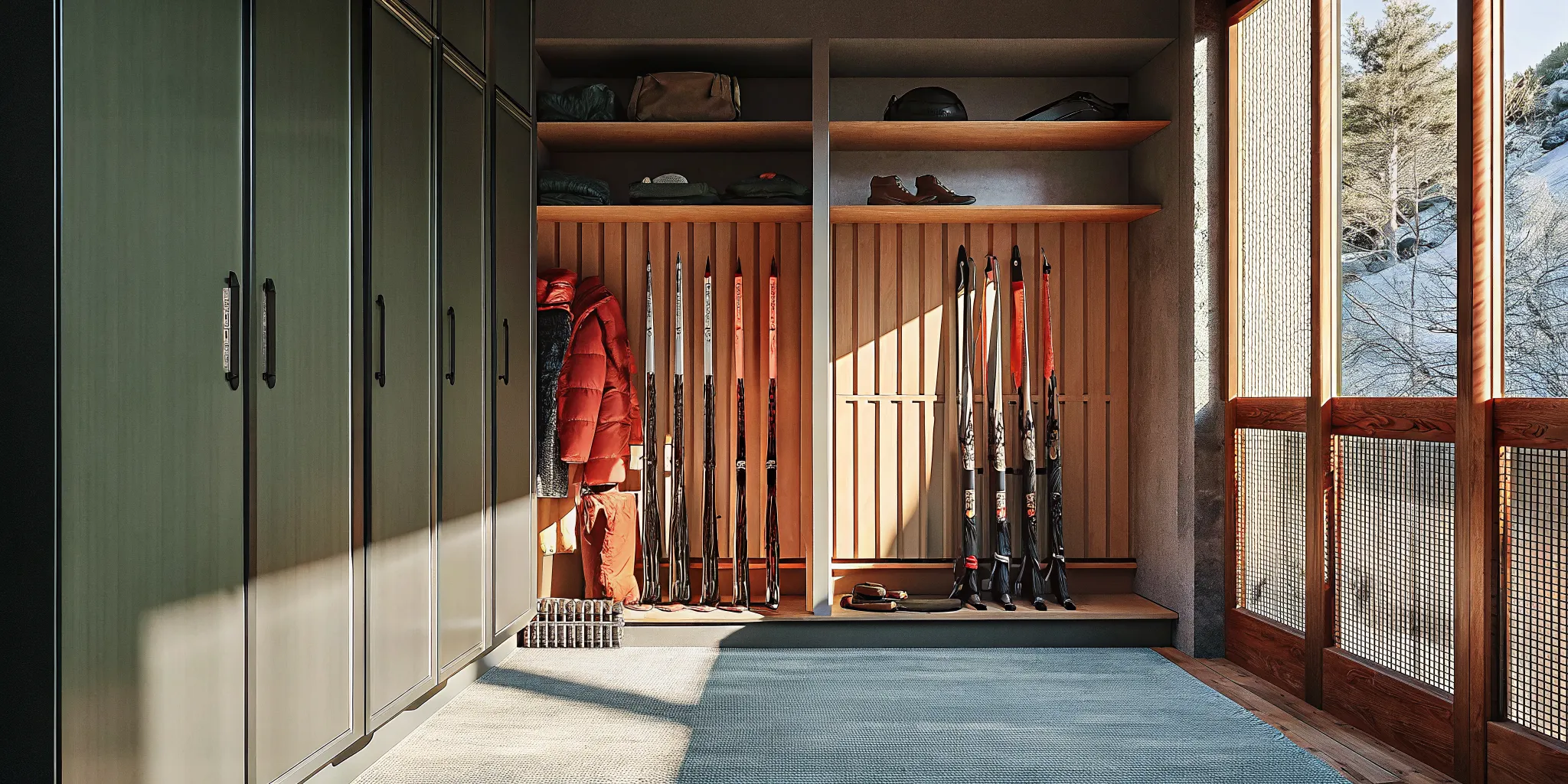
When everyone comes home from the mountain at once, skis lean against the wall, boots drip across the floor, and one missing glove can delay the next morning. The right ski storage ideas turn that pileup into a simple route from the door to a drying zone, wall rack, and dedicated cabinet. For homeowners in Telluride, Durango, Cortez, and nearby communities, that means planning around wet snow, bulky equipment, family routines, and seasonal change.
Schedule a free consultation to plan ski storage around your mountain home.
Ski storage ideas start with the right zone
The best ski storage ideas divide gear into three zones: a ventilated drop zone for wet boots and outerwear, accessible wall racks for in-season skis and boards, and closed cabinets for off-season equipment. For a mountain home, keep the daily route from door to drying area short, leave the floor clear for melting snow, and give every family member a reachable gear station.
The mudroom: your front line for wet gear
A mudroom is often the best place to start when you think about ski storage ideas. This room acts as a buffer between the cold outside and your warm living space. It should have enough room for you to sit down and take off heavy boots. Using natural stone or quartz for benches ensures the surface can handle the weight and wet of your gear. When you plan this zone, focus on how you move. Place active gear at eye level so you can grab it and go. For items that are still wet, proper air flow is key to stop mold and smells from forming. Keeping your floor clear of clutter also helps prevent trips and falls in small, busy spaces. An organized mudroom for ski gear makes coming home after a long day much easier.
Garage storage: the hub for your collection
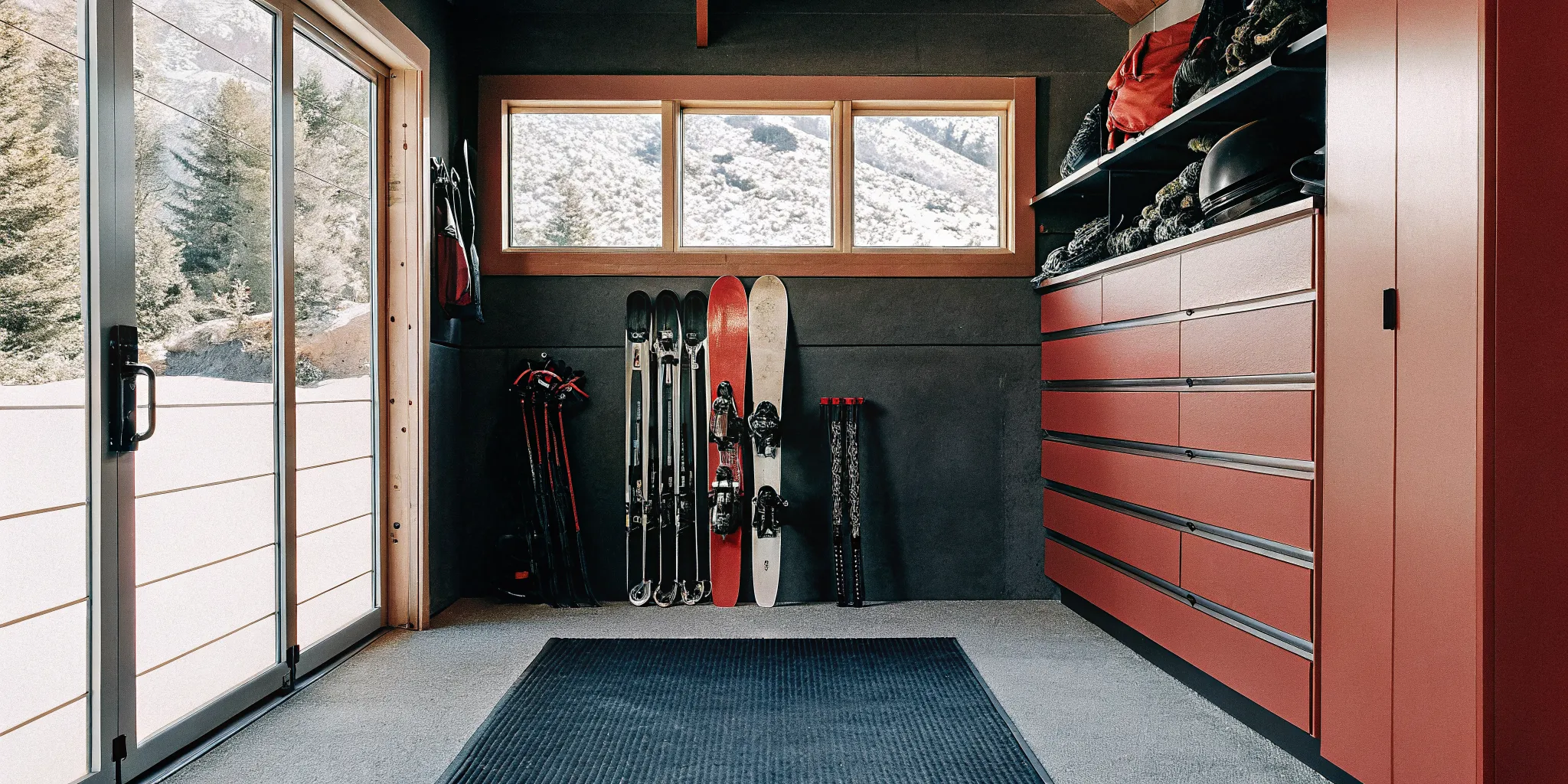
For many people, the garage is the main hub for all their outdoor gear. It offers the most space for large sets of skis and boards. However, you must be careful about how you use that space. Storing skis on the floor can lead to a wet mess and rust on your edges. Instead, you should use wall-mounted racks to keep things tidy. Vertical storage is the most helpful way to save floor space in a busy garage. Using a strong slatwall system made of PVC or mixed parts is better than thin pegboard. These parts hold up well against the heat swings and damp air found in high mountain areas like Telluride. A well-planned custom garage storage for skis can turn a messy pile into a clean, useful shop for your gear.
Entryway zones for quick access
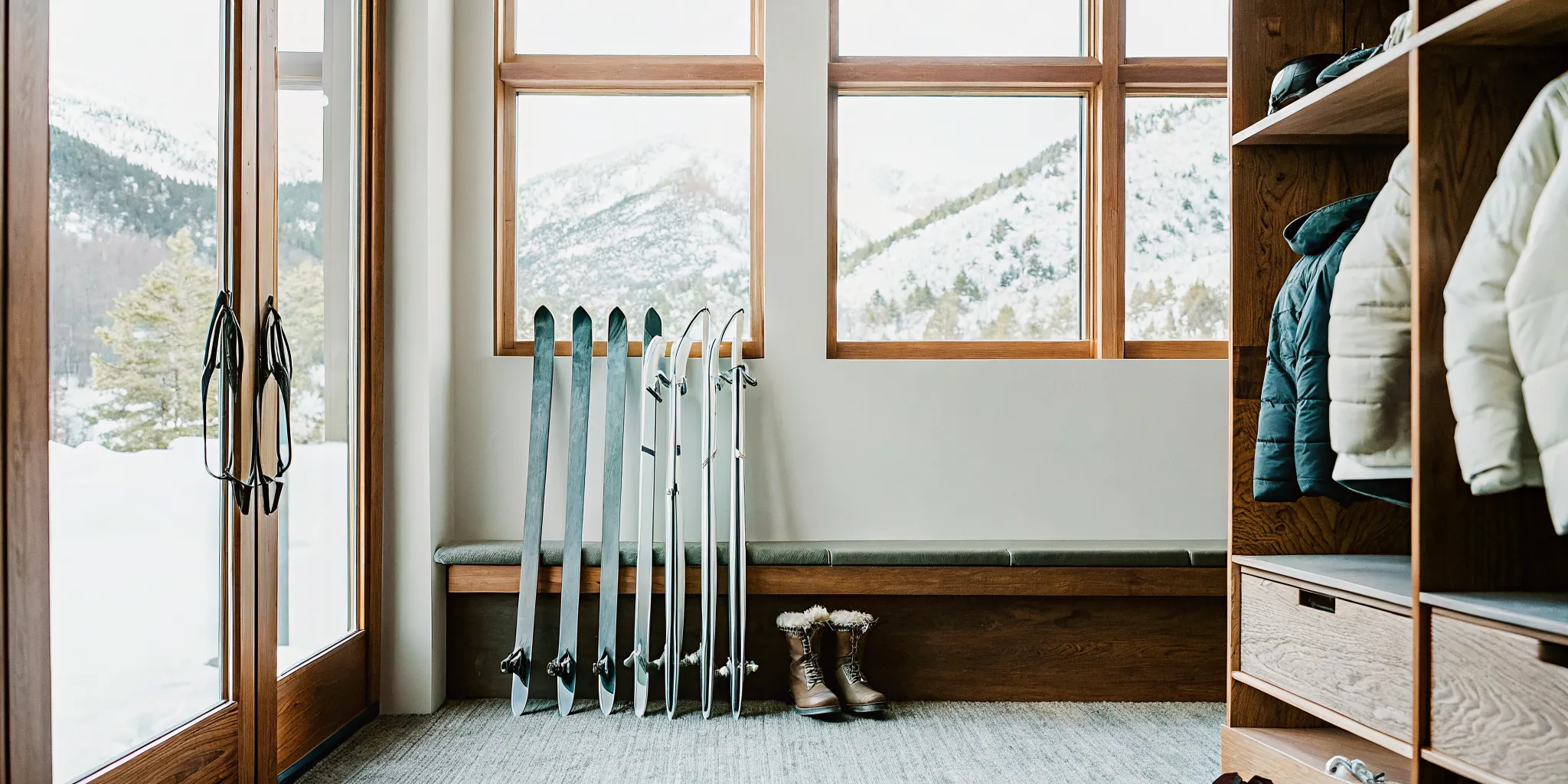
If you lack a full mudroom, a small entryway zone can still work for your ski storage ideas. This area works well if you only need to store a few items for daily use. You can use a slim wall rack to keep your skis off the floor and out of the way. This keeps the walk path clear and protects the walls from scratches and dents. When space is tight, every inch counts. You should look for spots near the door where a small rack or hook can fit. Even a simple shelf for goggles and gloves can make a big difference. The goal is to keep the gear you use most often within easy reach. This keeps your home tidy and ensures you don't spend time looking for missing gear before you hit the slopes.
Which wall rack works best for skis and snowboards?
Picking the right wall rack is a top custom storage design idea for any mountain home. These racks keep your gear safe and stop damage to bindings and edges. Using wall space helps you keep gear off the floor. This is key to stopping moisture and mold from building up. Keeping your home tidy and free of clutter can also help lower the risk of accidental injury from trips or falls.
Vertical and horizontal rack types
Vertical racks are the best way to save floor space. They let you hang many pairs of skis or boards in a small area. These racks are great for big families with lots of gear. Vertical storage is a very efficient custom garage storage for skis. Horizontal racks show off your gear like art. They work well if you have high walls or only a few pairs of skis. They take up more wall width but keep equipment easy to reach.
Protecting your gear
A good wall rack must protect your equipment. Look for racks with soft padding or rubber grips. This stops scratches on the top sheet and keeps edges sharp. Racks should hold the ski by the tip or the binding. This helps the gear stay in good shape for a long time. High Country Closets uses tough materials for all our storage. We like organized mudroom for ski gear systems that can handle wet and heavy items.
Organization for families
For large groups, a mix of rack types often works best. You can set up a zone for kids to reach their own gear easily. Putting gear at eye level makes it fast to grab and go. You can also use labels or color codes for each person. This keeps the whole room neat and cuts down on search time before you hit the slopes. Our 3D design tools help you see how these zones will fit in your space.
| Rack Type | Best Use | Space Needed | Gear Safety |
|---|---|---|---|
| Vertical Rack | Large gear sets | Small width | High protection |
| Horizontal Rack | Displaying gear | Wide wall area | Medium protection |
| Slatwall System | Changing needs | Full wall use | Very high |
How do you build a boot-drying zone?
A good ski storage system does more than just hold your gear. It must help your gear dry after a long day in the snow. Wet boots and gloves can grow mold if they stay damp for too long. Building a drying zone in your organized mudroom for ski gear helps your gear last for years. It also keeps your home clean and dry.
Plan for proper airflow
Good air flow is the most vital part of a drying zone. You should pick a spot with a vent to stop moisture from building up. If the air does not move, your gear will stay wet and may start to smell. Keeping your items off the floor is a must for homes in the mountains. You can learn more about gear care and safety for winter sports from health research.
You may also want to use a fan in small spaces. Moving air pulls dampness away from the fabric and foam in your boots. This keeps the liners soft and ready for the next day. A warm room helps, but moving air is what does the real work. If you have a closed closet, you might need to leave the door open or add a mesh panel.
Use heavy-duty parts
Your drying zone will see a lot of water and mud. You need to use parts that can handle big shifts in heat and wetness. Slatwall made from PVC is much better than wood for these areas. Natural stone or quartz makes a great choice for benches because they stay strong and do not warp. Clear zones help keep the space neat and reduce the risk of trips or falls.
Think about using metal hooks or plastic bins that are easy to wipe down. Wood can soak up water and start to rot over time. Man-made parts do not have this problem and stay clean with very little work. You can also use rubber mats to catch the salt and dirt from your boots. This keeps your main floors safe from grit and stains.
Create a path for melting snow
Snow will melt as soon as you step inside. You need a way to catch this water before it ruins your floors. Deep trays or mats with a lip are the best way to trap the mess. You should place these under any rack where you hang wet gear. This makes it easy to dump the water out or wipe it up once the gear is dry.
- Find the right spot. Pick a space near a power plug and a vent. Good air flow helps dry boots and gloves fast to stop bad smells.
- Install wall racks. Mount racks to the wall to keep skis and boards off the floor. Up-right storage saves space and stops water from pooling under your gear.
- Set up a boot dryer. Add a powered dryer to your mudroom plan. This tool blows warm air into boots to remove dampness and stop mold from growing.
- Add drip trays. Place a tray or mat under the racks to catch melting snow. This keeps your floors dry and stops water from hurting your home.
- Use family labels. Give each person their own shelf or hook. Using zones at eye level makes it easy for all to find and store their gear.
A neat home can help keep your family safe. Research shows that organized storage ideas can cut house falls by removing mess. By building a set drying zone, you make your ski mornings faster and your gear stays in top shape.
Get a custom plan for a garage or mudroom that keeps every ski-day essential within reach.
Use garage cabinets for seasonal ski gear
Custom cabinets are a top choice for your ski storage ideas. High Country Closets makes systems that handle the unique needs of mountain homes. In places like Telluride and Durango, gear takes up a lot of room. Storing your skis in a closed cabinet stops dust and grime from building up on your gear. It also keeps your garage looking neat. Keeping your gear off the floor is vital to stop moisture from damaging the wood and metal.
Closed versus open storage
Choosing between open racks and closed cabinets depends on how often you ski. Open racks work well for your main skis that you use every week. But for seasonal items or spare gear, closed cabinets are better. They hide the clutter and protect your gear from heat and cold. Proper storage helps keep your gear in good shape for years. You can use custom garage storage for skis to create a look that matches your home.
Good home systems do more than just hold your stuff. They can also make your home safer. Studies show that organized storage solutions help reduce injuries by getting rid of tripping hazards. This is very helpful in a busy garage where boots and poles often end up on the floor. When you move your gear into a set of custom cabinets, you clear the path for your cars and your family.
Use shelves and bins
A big cabinet needs a smart plan inside. You should use a mix of shelves and bins to hold smaller items. Goggles, gloves, and helmets fit well in pull-out bins. You can set these at eye-level so they are easy to find on your way to the mountain. Heavy boots should go on lower shelves. This makes it simple for kids and adults to reach their own gear.
Deep shelves allow you to store your bags and travel cases in the back. You can then keep your daily gear in the front for quick access. This zone planning makes your mornings much smoother. The parts for these systems are built to last in high-altitude spots. They handle the cold and wet snow that comes home with you after a long day on the slopes.
Plan for the off season
When the snow melts, your garage still needs to work for you. Custom cabinets make it easy to switch your focus. You can move your skis to the back or top shelves during the summer. This frees up the prime spots for your bikes or hiking gear. A well-made system is flexible enough to change with the seasons. It gives you a clean space all year long without having to move boxes around.
Vertical storage is often the best way to save space. You can mount racks inside the cabinets to hold skis upright. This stops them from warping or getting scratched. Having a set spot for every piece of gear means you never have to hunt for a lost pole. It turns a messy garage into a smart part of your mountain lifestyle.
Plan a mudroom layout for smoother ski days
A smart mudroom layout makes your mountain mornings easy. You want a clear path from the door to your living space. Start by placing your big storage away from the main door. This prevents a crowd from forming when everyone comes home. A well-planned organized mudroom for ski gear helps you get out the door fast. It also keeps your home clean by trapping snow and mud at the door.
Create a gear drop zone
The best ski storage ideas start with a place for your wet gear. Use wall-mounted racks to store your skis and boards. Keeping equipment off the floor is vital to prevent moisture buildup and damage. This keeps your gear dry and helps it last longer. Use PVC or composite slatwall systems for these racks. These materials are much more tough than standard pegboard in cold mountain air.
Place your most-used items at eye level for easy reach. This makes it simple to grab your helmet or goggles as you head out. High Country Closets can help you design custom garage storage for skis if your mudroom is small. This ensures every piece of gear has a home. Organized storage also lowers the risk of trips and falls in your home.
Add a drying and bench area
Wet boots are the biggest hurdle for a smooth ski day. Every good mudroom needs a drying area with boot dryers and fresh air. This helps stop mold and bad smells from growing on your gear. A dedicated spot for drying ensures your boots are ready for the next run. It also protects your home from the dampness of winter gear.
A sturdy bench is another must-have for your layout. Natural stone or quartz benches are great choices for mountain homes. These tough materials can handle heavy use and wet clothing without wearing down. A long bench gives everyone a place to sit while they pull on their boots. It makes the start and end of your ski day much more comfortable for the whole family.
How should you store skis after the season?
Storing your gear the right way after winter helps it last for years. You should clean and dry your skis before you put them away. Dirt and road salt from the snow can harm the metal edges and the base. Use a damp cloth to wipe each ski and then dry it with a soft towel. Keeping gear off the floor is a must in mountain homes to stop moisture buildup and damage from the air.
Prep your skis for long breaks
Checking your gear now will save you time when the first snow falls next year. Look at the bases for deep marks and check the edges for rust. Many people put a thick layer of wax on their skis to keep the bases from drying out. This wax also keeps air and moisture away from the metal. Good care for outdoor gear helps keep your equipment strong and prevents wear while it sits in a closet.
Pick a cool and dry spot
Where you keep your skis is just as vital as how you clean them. You need a spot that stays cool and dry, away from sun or heat. Big shifts in heat can warp the wood inside the skis or harm the top. While some use a garage, you must make sure the space has good air flow. Using an organized mudroom for ski gear or a dry closet is a top choice for your gear.
Try vertical ski storage ideas
Storing skis upright is the best way to keep them safe and out of the way. Wall racks or slatwall systems let you hang your gear so it does not lean. This plan saves floor space and stops the skis from losing their curve. You can use custom garage storage for skis to move your winter gear to high or deep spots in the summer. Keeping gear off the floor also helps stop trips and falls to keep your home safe.
Make ski storage work for family and guests
A busy ski home needs order to stay safe. Many ski storage ideas fail because they do not give each person a clear spot. You should set up set areas for every family member. Use labels to show where each set of gear belongs. This helps everyone find their skis fast in the morning.
Create zones for every family member
Keeping gear off the floor is vital in mountain homes. It stops wet spots and helps gear last longer. Good storage also cuts down on trips and falls in the home. One study found that organized home storage can help lower the risk of injuries. By giving every person a zone, you keep the floor clear and the home safe.
You can also use colors to help people find their spots. Give one color to each person for their bins and hooks. This makes it easy for kids to know where to put their things. It takes the guesswork out of cleaning up after a long day on the slopes. A well-planned space means more time for rest and less time searching for lost gear.
Design for kid-friendly access
Children need to reach their own gear to learn good habits. Set up lower hooks and racks that small hands can reach. This makes the morning rush much easier for parents. When kids can put their own gear away, the mudroom stays tidy. You can use an organized mudroom for ski gear to teach them how to care for their stuff.
Storing gear at the right height helps protect it from wear. High-quality skiing gear stays in better shape when handled with care. If a child can reach their skis, they are less likely to drop them. Use bins for helmets and goggles at eye-level for the little ones. This makes sure nothing gets lost under a pile of coats.
Prepare for guest gear overflow
Guests often bring extra gear that can crowd your space. You should have a plan for guest gear before they arrive. Wall racks that hold many pairs of skis are a great choice for extra gear. A custom garage storage for skis can give guests a spot without blocking your daily paths. This keeps your home feeling open even when the house is full.
A quick reset plan helps keep the space in top shape. Each night, check that all gear is back in its zone. This simple habit keeps the mudroom ready for the next day. It also lets you see if any gear needs to dry out. With a good system, you can host family and friends without the stress of a messy home.
Think about adding a few hooks just for wet coats and bags. Guests may not know where your main storage is, so clear signs help. You can use a bench with a shelf below it for guest boots. This keeps the entryway clear and gives them a place to sit. A little planning makes every guest feel welcome in your mountain home.
Book your free consultation and create an easier home base for every mountain day.
Frequently Asked Questions
What is the best way to store your skis?
Storing skis on wall-mounted racks is the best method for mountain homes. This keeps gear off the floor and prevents moisture from damaging the base. According to High Country Closets, vertical storage saves space and protects your gear. You should also make sure the room has good air flow to stop mold from growing on wet items. This simple step keeps your gear ready for the slopes all season long.
Should skis be stored vertically or horizontally?
Vertical storage is a smart choice for most homes in Southwest Colorado. Placing skis on a wall rack saves a lot of floor space and keeps your mudroom tidy. It also stops water from pooling around the bases, which can lead to rust. Keeping gear at eye level makes it easy to grab when you are in a rush. This setup helps keep your gear in top shape for many years.
How do you store skis in small spaces?
Wall-mounted systems are a great way to store skis in tight areas. These tools use wall space that often goes to waste in a small home. Using strong parts is better than basic pegboard because they can hold heavy gear and resist water. Sorting your gear into clear zones helps you find what you need fast. This plan frees up floor space for other items in your garage or mudroom.
How to store skis without a ski rack?
If you do not have a rack, you can use custom garage storage to keep gear safe. Never leave your skis leaning against a wall on a damp floor. This can cause moisture buildup and harm the wood. According to a full review, sorting your storage also helps lower the risk of trips and falls in the home. A clean space is both safer and more useful for every user.
Ready to organize your Southwest Colorado ski gear for winter?
Piling your gear on the floor can ruin your costly skis and boots while causing mold to grow in your Southwest Colorado mountain home. If you do not have a storage plan ready now, you will lose valuable time searching for gear every morning during the busy ski season. We help you see how an organized mudroom for ski gear makes mountain life easier and keeps your gear safe for many years of use.
Ready to schedule a free consultation? Book your 3D design session online today to find the best way to store all your gear in Telluride, Durango, or Cortez and start your winter the right way.
