
Garage Mudroom Combo Ideas for Colorado Homes
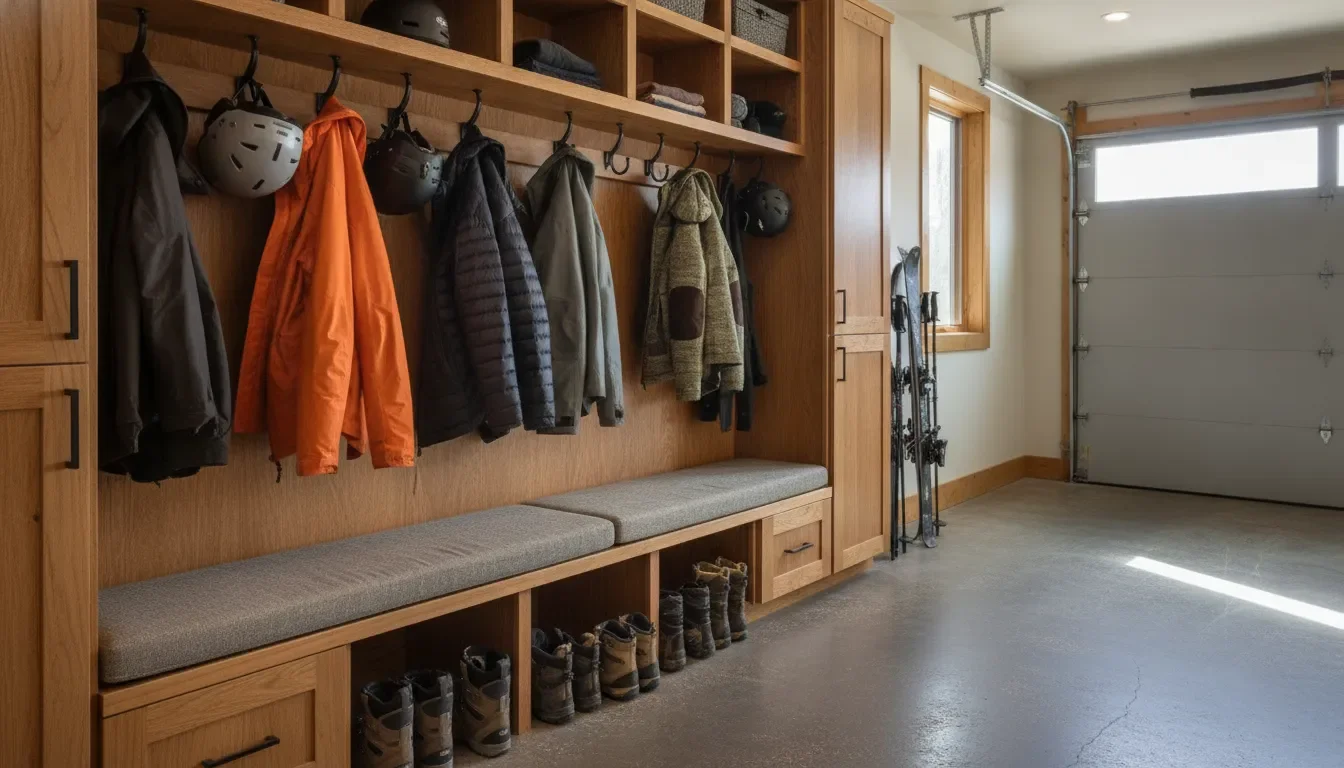
When a garage opens into the home, the space between the vehicle and the living area has to handle more than a quick coat drop. In Southwest Colorado, boots, helmets, backpacks, wet layers, and seasonal equipment can quickly overwhelm a tight entry while cars still need a clear route.
Schedule a free in-home consultation
The most useful garage mudroom combo ideas create a defined transition zone along the edge of the garage, using durable storage for daily gear and vertical or wall-based organization to protect walking and vehicle access. The right mix depends on how your household arrives, unloads, dries equipment, and rotates seasonal items.
Start by treating the transition as a sequence of simple decisions: where people enter, what they need immediately, and which belongings can move out of the way between seasons. That practical flow makes it easier to choose storage that supports active routines without turning the garage into another crowded room.
What Makes Garage Mudroom Combo Ideas Work for Active Homes?
The most useful garage-to-mudroom transition is not simply a larger mudroom. It is the boundary between parking, arrival, and the rest of the household. Family members may enter carrying helmets, boots, backpacks, sports equipment, or groceries, while vehicles, tools, and seasonal items still need to remain accessible in the garage. A successful plan gives each activity a logical place without turning the passage into a pileup.
Start by treating the transition as two connected zones. The garage side needs durable organization for heavier or less frequently used gear. High Country Closets documents garage systems with heavy-duty custom shelving, specialized racks, workshop-friendly layouts, and weather-resistant finishes. The home side can handle the items used during every arrival and departure, such as coats, shoes, bags, boots, and backpacks. Entryway systems can also include bench seating and durable materials suited to high-traffic areas.
This division keeps the article's focus different from broad mudroom storage. The question is not only where a coat or pair of boots belongs. It is how gear moves from a vehicle into the home, where it pauses, and what should stay closer to the garage. A helmet or outdoor bag may need a quick-access location, while reserve equipment can live farther from the daily path. That separation makes the transition easier to maintain because household members do not have to cross the entire storage system to unload.
Review the custom garage storage systems and entryway and mudroom storage options together rather than planning either area in isolation. The best garage mudroom combo ideas reflect the household's actual arrival routine, available walls, and mix of everyday and seasonal gear. They also preserve a clear route for people and vehicles through the space. Think of the design as a handoff between environments: durable garage storage receives outdoor equipment, and an organized entryway helps the family move inside without carrying every item into the living area.
How Should You Map the Flow Between the Garage and Home?
Start by tracing the route people actually take from the vehicle to the house. Note where doors swing, where passengers pause, and where boots, bags, helmets, or groceries tend to land. A useful layout separates the parking area from the drop zone without forcing everyone through the same narrow point. Sketch the arrival path from each parking position, then mark the door into the home, the most-used wall, and any turn that could become crowded.
Preserve vehicle access before assigning storage. The system should not make it difficult to open doors, load equipment, walk around a parked vehicle, or reach items at the side of the garage. Use painter's tape or a simple floor plan to test likely cabinet, bench, or shelving locations. Ask practical questions: Which door needs to open fully? Where do children remove muddy footwear? Where can a person carry a full bag without brushing against stored gear? Which route remains usable when winter equipment is in daily rotation?
Wall placement can solve more problems than adding furniture to the floor. If the transition area is narrow, a series of hooks on a wall may keep coats and bags out of the walking path. The New York Institute of Art and Design recommends looking higher when floor space is limited and notes that floor-level shoe racks or catch-all tables can crowd foot traffic. Its guidance also identifies narrow-wall hooks as an alternative. Read the practical mudroom planning guidance for the underlying design principles.
Use vertical storage for items that need to stay visible but do not need to sit underfoot. Place frequently used gear where household members can reach it easily, while reserving higher shelves for less frequent or seasonal items. For more ideas on evaluating the garage layout before choosing storage, review this guide to Colorado garage storage planning. The goal is a clear handoff between parking, unloading, and entering the home, not simply a fuller wall.
Which Zones Handle Boots, Coats, Helmets, and Bags Best?
A useful garage-to-home transition gives each item a landing place based on how often it is used and how messy it can become. Put wet or dirty gear closest to the garage side. Keep daily carry items within easy reach of the door, and reserve higher or less accessible storage for seasonal equipment.
Make the garage-side zone ready for wet gear
Boots, muddy shoes, helmets, and heavily used outdoor equipment belong in the zone that can handle dirt before it travels into the home. Open shelving is a practical choice for items that need to be visible and easy to grab. The New York Institute of Art and Design notes that open shelving can hold backpacks, sports equipment, and shoes in a mudroom setting. That same visibility can help a family return helmets or footwear to the right place instead of leaving them in the vehicle or on the floor.
Use the lowest accessible storage for boots and shoes, while keeping helmets and frequently used bags above them. Leave enough walking space for the household routine and vehicle movement rather than treating every open wall as storage capacity. If floor furniture would crowd the route, a narrow wall with coat hooks can provide a simpler landing point, an approach also described by NYIAD's mudroom planning guide.
Give daily carry items an individual home
Backpacks, work bags, coats, and everyday shoes should sit between the garage and the interior entry, where they can be collected on the way out and dropped off on the way in. Locker-style storage can separate each family member's belongings, according to NYIAD, which makes it especially useful when several people share the transition zone. A dedicated space for each person also reduces the tendency for bags and coats to spread across the bench, stairs, or parking area.
Pair hooks or a hanging section for coats with a shelf or cubby area for bags and shoes. A bench can make changing footwear easier without becoming the entire storage plan. For more ideas on combining seating with organized arrivals, see this guide to entryway bench mudroom storage. Keep the garage-facing side focused on durable, easy-to-reach gear, and move rarely used seasonal equipment to higher shelving or a separate cabinet zone. That division keeps daily items visible while preserving the transition for the next arrival.
What Materials and Maintenance Choices Help With Wet Colorado Gear?
Wet boots, snow-damp coats, and muddy equipment put extra demands on a garage-to-mudroom transition. Choose surfaces that are easy to wipe down, finishes suited to frequent use, and storage that lets air move around items while they dry. Durable, cleanable materials can make daily maintenance more manageable, but no finish eliminates the need to address moisture promptly.
Plan for airflow before adding more gear
Give wet items a place to dry rather than sealing them immediately in a crowded cabinet. Open areas, breathable spacing, and thoughtful placement can support airflow around coats, footwear, and equipment. Colorado State University Extension notes that indoor air quality can be affected by moisture and inadequate ventilation, with mold and mildew among the biological pollutants associated with those conditions. Its general remedies include ventilation, cleaning, and moisture control: Colorado State University Extension explains these indoor-air considerations.
That guidance is home-care planning, not a diagnosis or a guarantee about any particular storage system. If an area feels consistently stale, shows unusual odors, or has visible moisture or mildew, investigate the source and follow appropriate professional or manufacturer guidance.
Use finishes that fit everyday cleanup
In a busy household, smooth, durable surfaces can simplify routine wiping after a wet-weather arrival. Pair them with a plan for removing dirt before it spreads into the home. A designated location for damp boots, washable mats, and hooks or open shelving for items in use can keep maintenance connected to the arrival routine. Weather-resistant finishes are one documented option for garage storage, while entryway systems can incorporate durable materials for high-traffic use.
For more ideas about materials and organization in a colder setting, see these cold-weather garage storage solutions. The best choice for your home will depend on the gear, ventilation, cleaning habits, and transition space you actually have.
Which Garage Mudroom Layout Fits Your Space?
The best layout depends on how people enter, what they carry, and how much of the garage must remain open for vehicles or projects. A wall-based drop zone can keep storage shallow and accessible, while a bench, cabinet, or vertical arrangement may better support specific routines. Use the comparison below to narrow the direction before detailing finishes and accessories.
Layout approach: Wall-based drop zone Strengths: Uses a wall for hooks, shelves, and small landing areas without placing as much furniture in the circulation path. Watch-outs: Open storage needs clear household rules, or daily gear can spread beyond its assigned zone. Best fit: Homes that need a simple transition between the garage door and the interior entry.
Layout approach: Bench plus hooks Strengths: Provides a place to sit while removing boots and keeps coats, bags, and frequently used items easy to reach. Watch-outs: A bench can narrow the route if it is placed where people, doors, or vehicles need to pass. Best fit: Families that prioritize a seated arrival routine and everyday gear access.
Layout approach: Cabinet and rack Strengths: Combines concealed storage with dedicated support for larger or specialized equipment. Watch-outs: Doors and access points require thoughtful placement, especially in an active garage. Best fit: Households that want a more contained look and separate storage for mountain gear.
Layout approach: Compact vertical zone Strengths: Moves storage upward when floor area is limited, leaving more room for walking and daily garage use. Watch-outs: Upper storage should hold items that are used less often, while daily essentials remain reachable. Best fit: Small transition areas or garages where preserving open floor space is a priority.
These approaches can also work together. For example, a compact vertical zone may handle seasonal equipment while a bench and hooks manage daily arrivals. Review custom garage storage systems alongside garage cabinets for mountain gear when deciding how much should stay visible. For the home-facing side of the transition, compare the options with entryway and mudroom storage so the layout supports one continuous routine rather than two disconnected storage areas.
How Can You Adapt the Drop Zone for Seasonal Gear?
Southwest Colorado households may move from muddy boots and ski layers to hiking shoes, helmets, and summer recreation gear without gaining any extra storage space. A practical transition zone treats that change as part of the design. Keep the items used every day within easy reach, while moving reserve gear into a defined upper shelf, cabinet, or less-active section of the garage.
Build a simple seasonal rotation
During colder months, place frequently used coats, gloves, boots, and helmets near the garage-to-home path. Use open shelving or hooks for items that need to air out, and give each household member a consistent landing place for bags and smaller gear. When summer arrives, move winter equipment together rather than scattering it across the garage. Labeling is optional, but grouping similar items makes the next rotation faster.
For additional planning ideas, see these cold-weather garage storage solutions, especially when moisture and temperature changes affect what belongs in the active zone. A durable surface and storage materials suited to a busy household can help the area handle repeated loading, unloading, and seasonal overflow.
Contain reserve gear without losing access
Reserve equipment should be contained, but not buried behind the items used every morning. Cabinets can protect less frequently used mountain gear from visual clutter, while adjustable shelving keeps bulky items organized as needs change. The guide to garage cabinets for mountain gear offers a useful cabinet-focused companion to this approach.
Before finalizing the arrangement, account for the household's actual routines and the space needed to move between the garage, vehicle, and home. Keep the drop zone focused on transition rather than filling every wall. That balance lets a garage mudroom combo support seasonal living without turning limited storage into another obstacle.
When Is Custom Garage-to-Mudroom Storage Worth Considering?
A tailored system becomes worth considering when the space must serve two different routines at once: moving people and gear into the home while preserving practical access to the vehicle area. A freestanding bench or a few hooks may work for a simple drop zone, but a garage-to-mudroom transition often has to organize coats, boots, bags, helmets, and seasonal equipment without letting storage spread into the arrival path.
Start with the household's actual routine. Note where people enter, where wet or dirty items land, what needs to be reached every day, and which areas must remain open for parking or loading. A design can then assign storage to the available walls and transition points instead of treating the garage and mudroom as unrelated rooms. That planning is especially useful when the entry is tight, the household has changing seasonal gear, or several people arrive with equipment at the same time.
High Country Closets documents a process built for this kind of decision. A free in-home consultation allows the team to review the space and its routines. The next step is a tailored design plan, including a 3D rendering, so homeowners can consider how the proposed storage relates to the garage-to-home path before installation. Professional installation completes the documented service process.
Review examples of custom storage design when you want a broader look at tailored solutions, then compare the idea with your own transition zone. If the layout deserves a closer review, schedule a free in-home consultation to discuss the space, vehicle access, and daily storage needs.
Schedule a free in-home consultation
Frequently Asked Questions
How can you add a mudroom in a garage without blocking vehicle access?
Place the transition zone along a wall or beside the home entry rather than in the vehicle path. Favor wall-mounted hooks and higher storage where the space is tight, then test the route for doors, people, boots, and daily gear before committing to floor-level furniture. Keep the area for parking, walking, and opening vehicle doors clearly defined.
What should you store in a garage mudroom transition zone?
Store the items your household carries between the garage and home: coats, boots, shoes, backpacks, bags, helmets, sports equipment, and frequently used seasonal gear. Open shelving can keep everyday items accessible, while separated locker-style storage can give each family member a consistent place for personal belongings.
What should you not store in your garage?
Do not place moisture-sensitive belongings, damp gear, or items that need stable indoor conditions in an unplanned garage zone. Wet boots and equipment should have a practical place to dry, and stored items should not obstruct vehicle circulation, the home entry, or access to important household equipment. When in doubt, check the item's care instructions.
How do you keep a garage mudroom transition zone from becoming damp?
Plan for ventilation, regular cleaning, and moisture control when wet boots, coats, and outdoor equipment come indoors. Moisture and inadequate ventilation can contribute to biological pollutants such as mold and mildew. Watch for stale air, unusual odors, or visible moisture and address the underlying condition. Colorado State University Extension recommends ventilation, cleaning, and moisture control among possible remedies.
Are garage mudroom combo ideas useful for active households?
Yes, when the layout follows the household's routines instead of adding storage everywhere. A well-planned transition zone can give daily gear a clear home, keep seasonal overflow organized, and make the route from vehicle to living space easier to manage. The best approach depends on the available wall space, entry pattern, and types of equipment your family uses.
Ready to Plan Your Garage-to-Mudroom Transition?
A thoughtful transition zone can give everyday gear a clear home while helping you preserve practical vehicle access. Talk with the High Country Closets team about your layout, storage priorities, and the way your household moves between the garage and home. Schedule a free in-home consultation to plan a garage-to-mudroom space that fits your active Southwest Colorado lifestyle.
