
Garage Storage Racks for Heavy Gear, Tools, and Tires
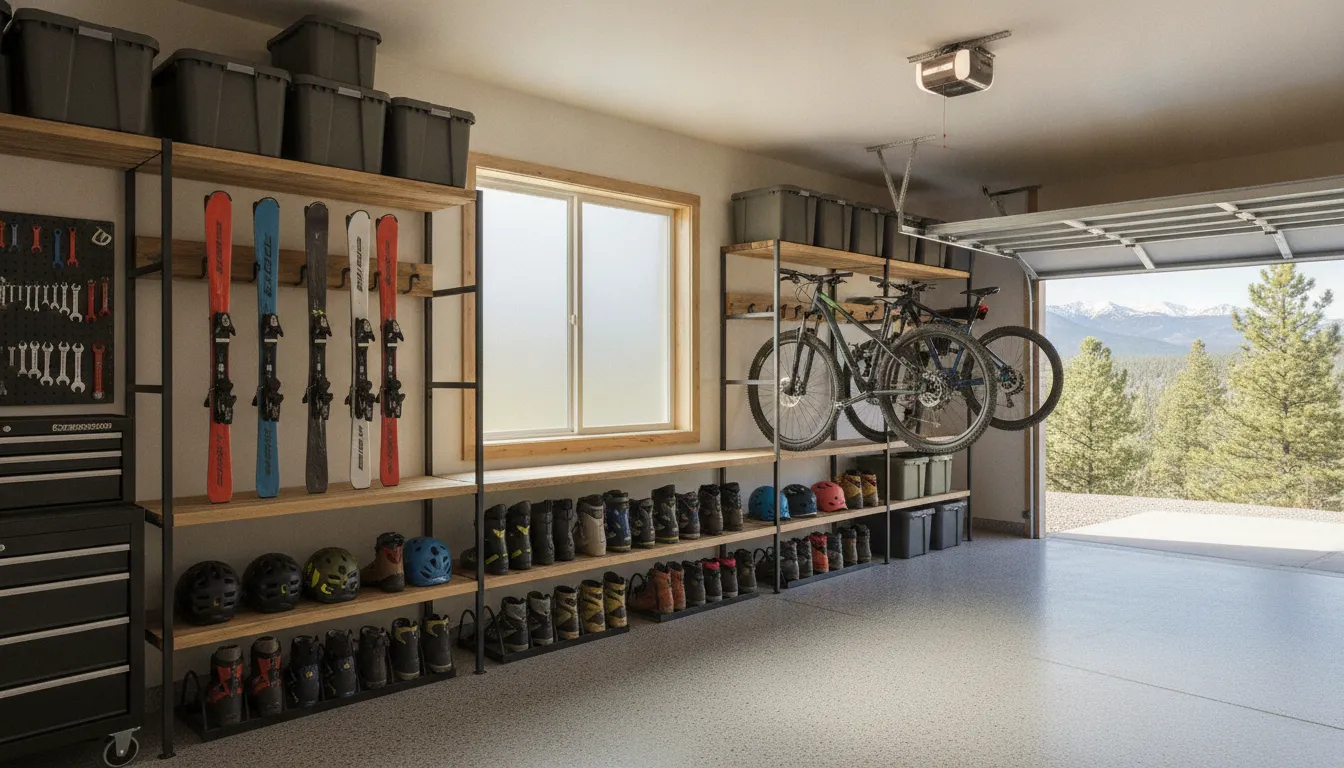
In a Southwest Colorado garage, storage has to keep pace with more than one season. Skis, bikes, tires, camping bins, and heavy tools can all compete for the same floor space, especially when a narrow layout already makes parking and daily work difficult.
Explore custom garage storage solutions
The best garage storage racks match the weight, dimensions, and frequency of use of what they hold. Wall-mounted systems keep everyday tools accessible, overhead storage reserves less-used seasonal gear for higher space, and dedicated tire storage prevents bulky wheels from taking over the floor. The right plan also accounts for vehicle clearance, secure anchoring, airflow, and the temperature changes common in mountain homes.
That means choosing a rack by load and location, not just by appearance or advertised capacity. Start by looking at the construction, mounting approach, and adjustability that help a system handle real mountain-home use.
What Makes Garage Storage Racks Heavy-Duty Enough for Mountain Gear?
Mountain-home storage has to handle more than a few plastic bins. A garage may need to hold tire sets, tool cases, ski equipment, camping supplies, bike gear, and bulky items that change with the seasons. Heavy-duty garage storage racks are built for higher loads than standard residential shelving, but the right system is not defined by a label alone. It depends on the rack material, how the weight is distributed, where the rack is anchored, and whether the design matches the items you actually own.
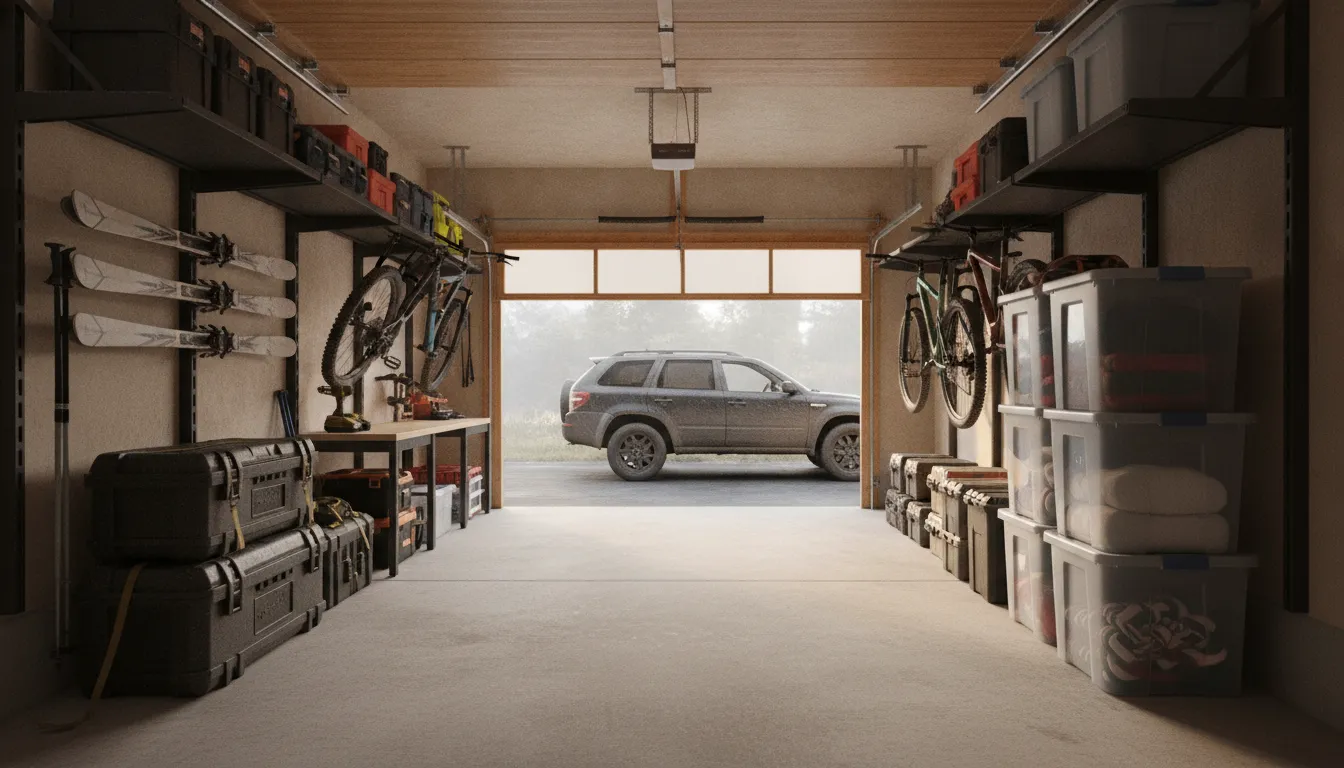
Steel construction is one useful starting point because it provides a durable framework for demanding storage. Even so, a strong material does not make every installation safe for every load. Rack dimensions, shelf spans, fasteners, wall construction, and the placement of each item all matter. A professional design should evaluate those details instead of applying an unsupported weight rating across an entire garage.
Match the rack to the gear
Mountain gear is irregular by nature. Tires are heavy and awkward, tools may need quick access, and ski or camping equipment can be long, bulky, or stored only part of the year. A heavy-duty system should account for the weight and dimensions of each category. Dedicated tire storage can keep seasonal tires contained, while adjustable shelves or modular wall-mounted components can adapt as tools and equipment change.
That flexibility matters in a home where the garage shifts from ski season to hiking and biking season. Long-term items, such as camping equipment or seasonal decorations, may belong higher or farther back. Frequently used tools and daily gear should stay within comfortable reach. A rack that holds weight but forces every item into one fixed arrangement may not serve the household well over time.
Account for mountain conditions
Temperature changes and humidity can be hard on garage storage, especially when wet equipment comes in from snow or rain. Durable materials and an open layout can help the system stand up to daily use while allowing air to move around stored gear. The design should also preserve floor clearance, parking access, and safe walkways rather than simply adding shelves wherever space appears available.
For more planning ideas, see this guide to custom garage shelving. The best heavy-duty solution is the one planned around the garage itself: its structure, clearances, activity zones, and changing mountain lifestyle. That may mean combining racks with cabinets or using different storage heights, rather than relying on one oversized unit.
Which Garage Storage Rack Type Fits Your Tools, Tires, and Gear?
The right rack depends less on what looks largest in a product photo and more on what you store. How often you use it, and where it can safely live. Tools usually need accessible, adjustable storage near a work area. Seasonal tires need a dedicated location that keeps them organized and out of the way. Bulky camping gear or holiday bins can often move higher, where they free the floor for vehicles and daily projects.
| Rack type | Best fit | Planning considerations |
|---|---|---|
| Wall-mounted rack or modular system | Hand tools, outdoor equipment, and frequently used gear | Flexible components and adjustable heights keep items visible and within reach. Plan around work surfaces and walking paths. |
| Freestanding rack | Mixed-size bins, tools, and gear that may change over time | Useful where wall mounting is limited, but it occupies floor space. Keep the footprint clear of vehicle doors and primary walkways. |
| Overhead rack | Bulky, infrequently used seasonal items and camping equipment | Uses vertical space above vehicles or garage doors. Store long-term items there, while checking clearance and installation requirements carefully. |
| Tire-specific rack | Seasonal tire sets | Creates a designated place for tires instead of allowing them to spread across the floor. Position it where loading and seasonal changes remain practical. |
| Integrated rack and cabinet system | Garages that need both open access and concealed storage | Combines visible racks for active gear with cabinetry for supplies or less attractive items. A coordinated design can use wall space more efficiently. |
Match access frequency to rack height
Place everyday tools and equipment where they can be reached without moving other items. Wall-mounted modular systems are especially useful when storage needs change, because shelf heights and rack configurations can be adjusted for different item sizes. Open designs can also promote airflow around stored gear, which helps when equipment comes into the garage damp from snow, rain, or trail use.
Overhead storage makes more sense for items you use occasionally. Camping equipment, holiday decorations, and similar seasonal loads can stay above the vehicle area until needed. That placement can preserve floor space for parking and other activities, but overhead storage should never be selected without considering door clearance, headroom, and safe installation.
Build around the complete storage system
Many garages need more than one rack type. A tire rack can handle seasonal changes, while a wall system keeps tools ready for a workshop. Overhead storage can hold bulky items that would otherwise crowd the floor. Combining racks with customized cabinetry creates a more cohesive system for garages with mixed storage needs. Explore custom garage storage solutions or review these garage workshop organization ideas before deciding which items belong at each height.
How Should You Plan Rack Placement Around Vehicles and Work Areas?
Start with the way your garage functions today, then leave room for the activities and gear you expect to add. A rack layout should protect vehicle access, preserve comfortable walking paths, and make frequently used equipment easy to reach. Accurate measurements are the foundation of the plan, especially in mountain homes where a few inches can determine whether a vehicle door, freezer, or workbench remains usable.
- Measure the complete space. Record the length, width, and ceiling height of the garage, along with the location of posts, steps, windows, outlets, vents, and utility equipment. Note the dimensions of vehicles and any fixed work surfaces. Include the depth and height of the proposed garage storage racks, not just the wall or ceiling area where they will sit. This prevents a design from looking workable on paper but crowding the garage in daily use.
- Map vehicles and door clearances. Mark where each vehicle parks with its doors, hatch, tailgate, and hood fully open. Keep wall-mounted shelves and cabinets outside those movement zones. For overhead storage, account for the garage door's travel and hardware, as well as the vehicle roof and roof-mounted equipment. The goal is to use vertical space without creating an obstacle above a parking position.
- Protect walkways. Draw a clear path from the house entry to the garage door, vehicle doors, and the storage areas you use most. Heavy items elevated or placed on wall-mounted racks can reduce floor clutter and tripping hazards. Avoid placing rack corners where people naturally turn, carry long gear, or load groceries and equipment.
- Separate work zones from storage zones. Give a workbench, repair area, or tool wall enough room for movement and for the item being serviced. A successful layout balances vehicle access with dedicated workshop and storage areas. Place adjustable racks near the work zone when tools need to stay accessible, while bulky, infrequently used items can occupy higher or less convenient positions.
- Plan for airflow and moisture. Use open-rack designs where wet boots, bikes, skis, or other gear need ventilation. Leaving appropriate breathing room around stored equipment helps airflow and can reduce moisture buildup. Do not allow a rack to block vents or force damp gear into a sealed corner.
- Create seasonal zones. Group items by activity and frequency of use. Keep current-season equipment at reachable heights and place transition items in a convenient staging area. Reserve higher or overhead locations for long-term storage such as holiday decorations or camping equipment. For more ideas on making gear changes easier, see how to organize your garage around mountain activities.
Review the layout with a full vehicle, an open workbench, and the largest stored items in mind. That final check reveals conflicts that a blank-floor measurement can miss and helps turn a collection of racks into a garage that remains useful throughout the year.
Are Garage Storage Racks Safe When They Hold Heavy Loads?
They can be, but safety depends on more than choosing a rack labeled heavy-duty. A secure system starts with the garage structure, the rack design, the way it is anchored, and an honest plan for what each shelf will hold. Heavy items such as tires, tools, and packed seasonal gear should be distributed deliberately rather than stacked wherever space remains.
Anchoring is especially important for wall-mounted and overhead garage storage racks. Wall systems should be fastened into appropriate structural members, not simply into drywall or an uncertain surface. Overhead systems also need careful attention to ceiling construction, mounting points, vehicle clearance, and the path people take through the garage. Professional installation should verify those conditions and secure the rack accordingly. High Country Closets identifies proper anchoring into studs as part of professional installation, but no general rack design can guarantee a capacity for every garage. The structure and installation method must be evaluated for the specific project.
Overhead placement deserves extra caution because a failure or low-hanging component can create an impact hazard. The U.S. Consumer Product Safety Commission has published recalls involving overhead systems, including the Loctek Fleximouts recall and the SafeRacks and Monsterrax recall. These notices are a useful reminder to check product information and recall status, follow the manufacturer instructions, and avoid treating an overhead rack as a casual weekend shelf.
Plan the load before you install
Group items by weight, size, and frequency of use. Put the heaviest loads where the system is designed to carry them and keep frequently handled gear within comfortable reach. Reserve overhead positions for items used less often, such as camping equipment or holiday decorations. Dedicated tire storage can keep bulky seasonal tires contained instead of allowing them to lean into walkways or against vehicles. Never invent a load rating from the appearance of a rack. Use the manufacturer's documented limits and account for the combined weight of containers and contents.
Inspect the system regularly
Inspection should be part of normal garage upkeep. Look for loose fasteners, bent or cracked components, shifting shelves, damaged anchors, and loads that have migrated beyond the shelf or platform. Check again after moving heavy items, changing seasonal storage, or noticing a new vibration or contact point. Keep the floor and access paths clear, since elevated or wall-mounted storage reduces tripping hazards only when items remain contained and the surrounding area stays usable.
A DIY installation may be reasonable for a homeowner who can identify suitable studs or structural members. Use the correct fasteners, and work with a stud finder and level. Tools alone do not make an installation safe. If the rack will carry substantial or irregular loads, sit above vehicles, or fit an older or unusual garage. Professional planning and installation provide a more reliable way to address anchoring, clearance, and inspection from the start.
Why Do Custom Racks Outperform Bungee and Retail Storage in Some Garages?
Bungee cords and retail shelving can be practical for a small, stable collection of lightweight items. They become less convenient when a garage has sloped or irregular walls, limited clearance, bulky seasonal gear, or loads that change throughout the year. In those situations, a custom rack system can make better use of the available footprint without assuming that every garage has the same dimensions or storage habits.
The difference is not simply that one option is custom and the other is not. It comes down to how well the system matches the room, the items, and the way the household uses the garage.
Irregular layouts are easier to plan around
Older mountain homes and additions may include unusual wall lengths, posts, low sections, mechanical equipment, windows, or garage doors that limit where storage can go. A standard retail rack usually arrives in a fixed size and configuration. If it does not fit, the homeowner may need to leave unused gaps or place it where it interferes with parking and walkways.
Custom planning starts with accurate measurements and a review of vehicle access, working areas, door clearance, and reachability. A 3D design can show how wall-mounted racks, shelves, and cabinets will occupy the room before installation. That review is especially useful when the garage must serve as both a parking area and a workshop.
Integrated storage handles mixed and changing loads
Mountain garages rarely store one category of item all year. Skis may give way to bikes, hiking gear, tools, tires, or camping equipment as the seasons change. A system can combine open racks for frequently used gear with cabinets for smaller items that need a more contained home. High Country Closets describes combining wall-mounted racks with customized cabinetry as a cohesive garage organization approach. See these custom garage storage solutions for examples of that integrated direction.
Adjustable shelves and flexible rack configurations can also accommodate different item sizes. Dedicated tire storage keeps seasonal tires organized, while open sections can preserve airflow around equipment that may carry moisture after use. A bungee cord may hold a single awkward item temporarily, but it does not create a repeatable location for a changing set of gear.
Durability and review matter when use is demanding
Heavy-duty racks are intended to handle higher loads than standard residential shelving, but the appropriate system still depends on the items, mounting surface, and installation details. A design review helps identify where heavier objects belong, how weight should be distributed, and which areas should remain clear. Professional installation can help ensure racks are anchored correctly, rather than relying on an improvised arrangement that may loosen or become difficult to inspect.
Materials also matter in mountain environments, where garages experience seasonal temperature changes, humidity, and rigorous daily use. For more on selecting storage around those conditions, explore this guide to custom garage shelving. Local mountain-home expertise adds context that a generic product guide cannot: the system should support how Southwest Colorado households actually move from one activity and season to the next.
How Can You Organize Seasonal Gear Without Losing Floor Space?
Seasonal gear becomes much easier to manage when every activity has a defined home. Instead of stacking skis beside bikes, leaving hiking packs on the floor, or allowing tools and tires to migrate into parking areas, divide the garage into practical zones. Store the equipment you use most often where it is easy to reach, and move long-term seasonal items higher or farther back. This approach preserves vehicle access while making the transition from skiing to cycling or hiking less frustrating.
Start by measuring the garage before choosing storage. Accurate dimensions help you protect door clearance, walking paths, and the space needed to open vehicle doors. A useful layout should support parking, a workshop area, and storage at the same time, rather than treating the floor as overflow space. Elevated or wall-mounted organize your garage solutions can move bulky items out of traffic and reduce tripping hazards.
Give each activity a clear storage zone
Group gear by the way your household uses it. A ski zone might include skis, poles, boots, helmets, and winter clothing. Keep those pieces together so a single trip to the garage gathers what you need. During warmer months, shift attention toward bikes, pumps, helmets, and trail accessories. Hiking packs, trekking poles, and outdoor footwear can share a nearby shelf or cubby, provided they remain accessible without unpacking unrelated equipment.
Wall-mounted racks are useful for tools and equipment because their layout can change as your needs change. Adjustable shelves also accommodate different item sizes, from compact bins to taller containers. Use labeled, durable bins for less frequently used items, but avoid packing damp gear away before it has dried. Open-rack designs promote airflow around stored equipment and can help limit moisture buildup in a garage.
Move bulky and long-term items above the floor
Overhead racks can hold bulky seasonal items that do not need daily access, such as camping equipment, holiday decorations, or off-season gear. They make use of otherwise wasted vertical space above vehicles and garage doors, helping clear the floor for parking and other activities. Before installation, confirm that the rack location will not interfere with the garage door, vehicle height, lighting, or safe movement through the space. Heavy loads require careful planning and secure anchoring, not guesswork about capacity.
Tires deserve their own location because they are heavy, awkward, and used in predictable seasonal cycles. A dedicated tire rack keeps them out of the way while leaving room for vehicles and work areas. Combining racks with cabinetry can provide a more complete system, keeping chemicals, small tools, and maintenance supplies enclosed while larger gear remains visible and ventilated. For ideas that connect storage with a working area, explore garage workshop organization.
The goal is not to fill every wall or ceiling surface. It is to create a seasonal rotation that keeps current gear reachable, protects floor clearance, and leaves the garage ready for its other jobs.
When Is a Custom Garage Storage Plan Worth It?
A custom plan becomes valuable when your garage has to do more than hold a few labeled bins. When the walls, ceiling, vehicles, and work areas compete for the same space. A measured design can help you decide what belongs on the floor, what should stay within reach, and what can move into seasonal storage.
Your garage has irregular dimensions
Older mountain homes and remodeled garages do not always offer clean, uninterrupted walls. A sloped ceiling, shallow corner, utility equipment, window, garage door track, or narrow passage can make standard garage storage racks difficult to place. Accurate measurements are the first step in creating a functional layout because the design needs to account for vehicle access, door clearance, walkways, and project areas. High Country Closets can plan around those conditions instead of asking you to force a retail rack into the only available corner.
Your storage loads are mixed and change with the seasons
Mountain garages often store long skis, bikes, tires, camping equipment, tools, bins, and smaller daily-use items at the same time. Those objects vary in weight, shape, and frequency of use. A custom plan can separate heavy items from lighter gear, keep frequently used equipment accessible, and reserve higher or less convenient storage for things used only occasionally. That matters during seasonal transitions, when ski equipment gives way to hiking and biking gear. Planning by activity and season can make the changeover faster without turning the garage into a temporary pileup. Dedicated tire storage, open shelving, and adjustable configurations may each serve a different part of the load.
You want cabinets, access, and airflow to work together
Some garages need more than open racks. Wall-mounted racks can keep tools and equipment visible, while integrated cabinets conceal household supplies and create a cleaner visual boundary. Combining racks with customized cabinetry produces a more cohesive system than adding disconnected pieces over time. Open sections can also promote airflow around stored gear, which is useful when wet or snow-damp equipment comes home. A plan should distinguish between items that need quick access and items that can be safely stored behind doors.
You prefer to see the design before installation
A 3D rendering is useful when the decision involves several walls, vehicles, cabinets, and changing storage zones. It gives you a way to review the proposed arrangement before the system is built and identify access concerns early. High Country Closets offers a free in-home consultation and 3D design renderings, followed by professional installation. The typical turnaround is two to four weeks from design approval to installation, according to the company. If that level of planning fits your garage, explore custom garage storage solutions designed for mountain-home use.
Talk with High Country Closets about your garage storage plan
Frequently Asked Questions
What is the best garage storage rack for a mountain home?
The best rack matches the items you store, the available wall and ceiling space, and how often you need access. Wall-mounted systems work well for frequently used tools, dedicated tire racks keep seasonal tires contained, and overhead racks suit bulky gear used less often. Adjustable shelves can accommodate changing equipment as your household moves between skiing, biking, hiking, and other activities.
How much weight can a garage storage rack support?
There is no universal capacity for a garage storage rack. The safe load depends on the rack design, materials, span, fasteners, mounting surface, and how weight is distributed. Use the manufacturer or designer's documented limit rather than estimating by appearance, and avoid concentrating heavy tires or tools on a shelf that was not designed for them.
Are overhead garage storage racks safe for mountain homes?
They can be a practical way to clear floor space, but only when selected and installed for the garage structure, vehicle clearance, and intended load. Keep stored items away from doors, lights, and walking paths, and inspect the system periodically for loosened hardware or damage. The U.S. Consumer Product Safety Commission has published recalls involving overhead racks because of impact-injury hazards, so check your product and follow its installation instructions: CPSC recall guidance.
Should I build or buy garage shelving?
Retail shelving may be adequate for lighter, standardized items. A custom system is worth considering when your garage has irregular dimensions, heavy loads, vehicles, or several seasonal storage zones. A measured plan can combine racks, tire storage, and cabinets while preserving walkways and work areas. The right choice depends on the layout and the items, not simply on the lowest upfront price.
What should I use to install heavy-duty garage racks?
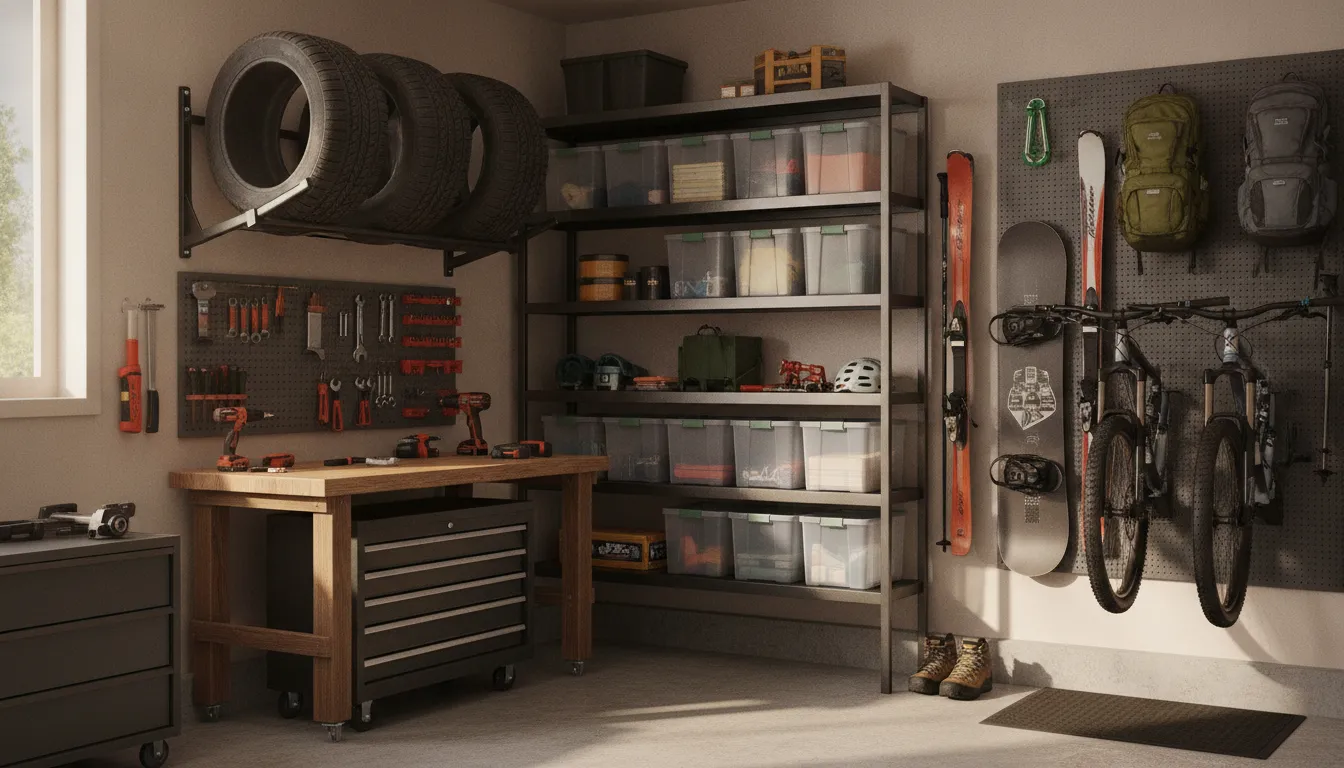
A secure installation starts with accurate measurements and the appropriate mounting hardware for the wall or ceiling. For a DIY project, a stud finder and level are basic tools for locating framing and keeping the rack aligned. If the load is substantial or the mounting surface is uncertain, professional installation can help verify anchoring and clearance before the rack is loaded.
Get Started With a Garage Storage Plan
A thoughtful layout can help keep heavy gear, tools, and seasonal equipment easier to access while preserving room for vehicles and daily routines. To talk with High Country Closets about a custom garage storage plan, contact us and share what your garage needs to hold.
