
How a Walk In Closet Designer Plans Your Dream Closet
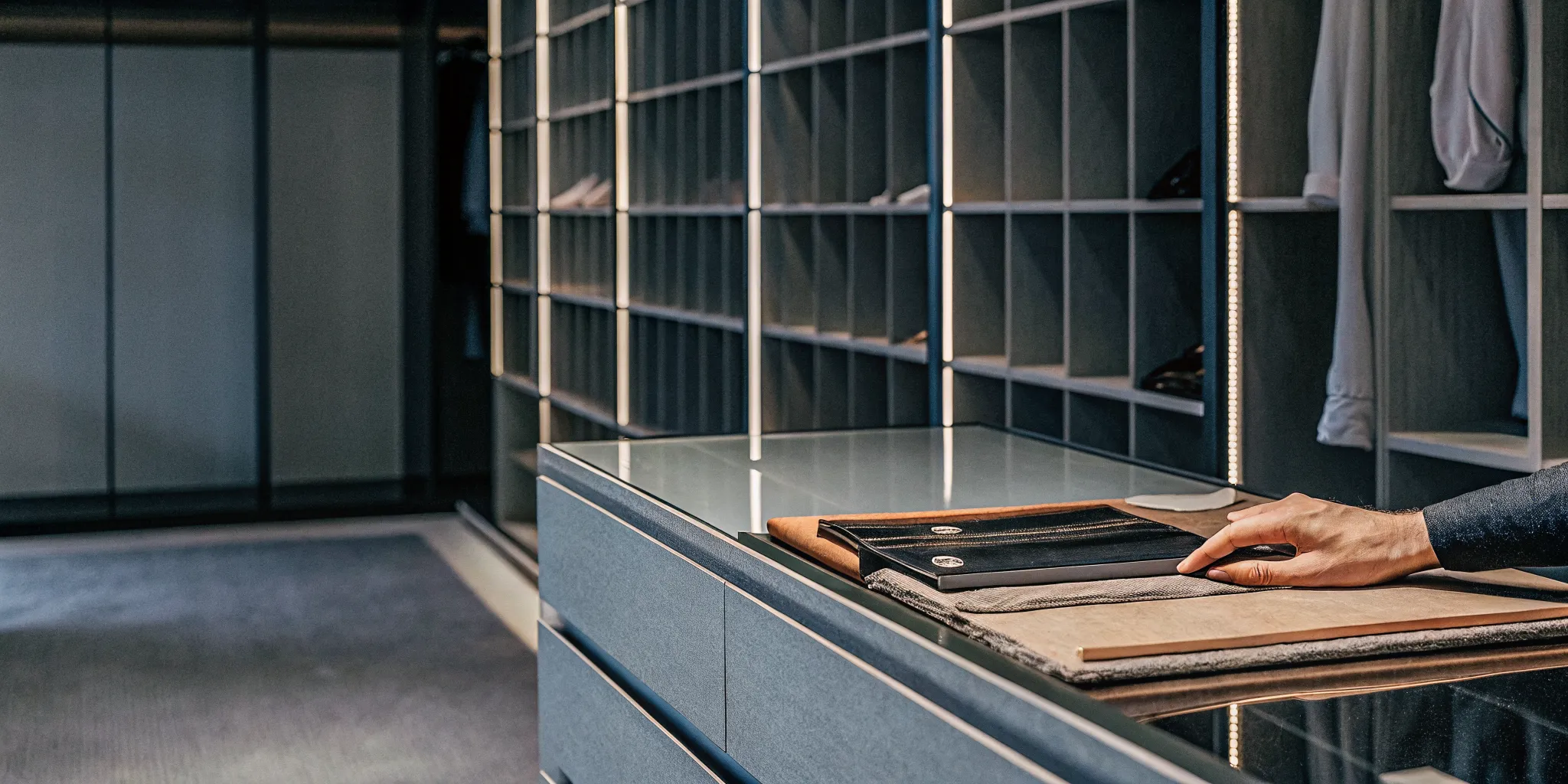
If your walk-in closet feels more like a battleground than a sanctuary, you’re not alone. We’ve all been there, digging through piles to find a specific shirt or struggling with a layout that just doesn’t work. The truth is, a truly functional closet isn’t about having more space; it’s about having smarter space. This is where the expertise of a professional walk-in closet designer becomes invaluable. They do more than just install shelves; they analyze your wardrobe, your habits, and your room’s unique quirks to create a system that simplifies your daily routine. This guide will walk you through the entire process, from planning your layout and avoiding common mistakes to understanding what makes a design truly great.
Key Takeaways
- Plan your space before you build: A successful closet project begins with a thorough plan. Take a complete inventory of your wardrobe, measure your space precisely (noting outlets and windows), and establish a clear budget to ensure the final design truly fits your life.
- Hire a professional for a custom fit: While DIY can work for simple spaces, a professional designer is essential for handling unique room shapes, ensuring a flawless installation, and providing access to high-quality materials. They create a solution built for you, not a one-size-fits-all box.
- Prioritize function to avoid frustration: The best designs support your daily routine. Focus on practical elements like adjustable shelving, good lighting, and correctly sized compartments to create a space that is effortless to use and avoids common pitfalls like inaccessible corners or sagging shelves.
What Does a Walk-In Closet Designer Do?
A walk-in closet designer does so much more than just suggest where to put shelves. Think of them as a personal space planner, a problem-solver, and a creative partner all rolled into one. Their main goal is to transform your closet from a simple storage area into a space that truly works for you. A great designer understands that a custom walk-in closet should be a place where function complements your unique personality and lifestyle, not just a room to hang clothes.
They start by listening. They want to know what you own, how you get ready in the morning, and what your frustrations are with your current space. Are you a shoe collector? Do you have a lot of long dresses or suits? Do you need a dedicated spot for luggage or handbags? They take all of this into account. Then, they use their expertise to create a design that maximizes every square inch, improves your daily routine, and looks beautiful. From planning the layout and selecting materials to overseeing the final installation, a designer manages the entire project. They are the experts who bring your vision to life, ensuring the final result is not only stylish but perfectly tailored to your needs.
DIY vs. Hiring a Professional
Deciding between a DIY closet project and hiring a professional really comes down to your budget, your timeline, and how complex your space is. If you have a straightforward rectangular closet and a knack for home projects, a DIY system can be a rewarding and budget-friendly choice. You get to control the entire process, but it also means you're responsible for all the measurements, assembly, and potential troubleshooting.
Hiring a professional designer is the best route when you want a truly custom fit, have an awkwardly shaped space, or simply want to ensure a flawless, high-end result without the stress. A pro brings experience, specialized tools, and access to quality materials you won't find at a big-box store. They guarantee that your custom closet is not only beautiful but also built to last, saving you from potential DIY mistakes that can be costly and frustrating to fix.
The Design Process: Start to Finish
Working with a professional designer is a straightforward and collaborative process. It all begins with an initial consultation where you'll discuss your needs, frustrations, and style preferences. This is the time to share your vision and take inventory of what you need to store. The designer will then take precise measurements of your space, noting the location of doors, windows, and outlets.
Next, they'll use that information to create a detailed design plan, often with 3D renderings so you can visualize the final product. You'll review the design together, making any adjustments to ensure it’s perfect. Once you approve the plan, the custom components are crafted. The final step is the professional installation, where trained technicians bring the design to life in your home. If you're ready to start this process, you can easily book a free consultation to get started.
How to Plan Your Walk-In Closet
Whether you’re partnering with a designer or tackling the project yourself, a little prep work goes a long way. Thinking through your vision and needs helps clarify your goals and ensures the final design is a perfect match for your lifestyle. A great designer will walk you through these steps, but having your own answers ready will make the process even smoother. It’s all about creating a space that feels intuitive and brings a sense of calm to your daily routine. These four steps are the foundation of any successful closet plan.
Measure Your Space
Before you can plan anything, you need to know exactly what you’re working with. Grab a tape measure and get the precise dimensions of your closet: wall to wall, floor to ceiling. Don't forget to note the location of any existing features like light switches, outlets, windows, or vents, as these will influence the layout. As a general rule, a walk-in closet design works best when you have at least four feet of width and depth to move around comfortably. If measuring feels daunting, a professional can create an accurate floor plan for you during a free consultation.
Take Inventory of Your Belongings
Now for the fun part: getting to know your wardrobe. Before you start dreaming of drawers and shelves, you need to "figure out everything you want to store and how you want to store it." Take a complete inventory of your belongings. Count your shoes, measure the length of your dresses and coats, and decide which items you prefer to hang versus fold. This audit helps determine the right combination of storage solutions, like double-hang rods for shirts and pants or custom shelving for your handbag collection. A well-designed wardrobe is one that accounts for every last item.
Plan for Current and Future Needs
A great closet design should serve you for years to come. Think about how your life and wardrobe might change. Do you plan on growing your shoe collection? Will you need more space for professional attire down the road? Choosing a closet system is a balance between your immediate needs and long-term versatility. Opting for adjustable shelving and convertible modules gives you the flexibility to adapt the space as your needs evolve. The goal is to invest in a system that grows with you, not one you’ll outgrow in a few years. Our custom closets are built to last and adapt.
Set a Realistic Budget
Your budget will guide many of your design decisions, from materials to accessories. It’s important to be realistic about what you want to spend. The size of your closet is a major factor, as a large walk-in will naturally cost more than a smaller reach-in. However, your choice of materials, finishes, and custom features also plays a significant role. A professional designer can help you prioritize what matters most, ensuring you get the best value for your investment. They can show you where to spend for impact and where you can save without sacrificing quality, creating a beautiful and functional space that respects your budget.
Common Walk-In Closet Design Mistakes to Avoid
Planning your dream walk-in closet is exciting, but a few common missteps can quickly turn that dream into a daily frustration. It’s one thing to have a closet that looks like it belongs in a magazine, but it’s another for it to actually function for your lifestyle. The best designs are the ones you don’t have to think about because they work so seamlessly with your routine, making getting ready a pleasure instead of a chore. By avoiding a few key design mistakes, you can create a space that is both stunning and practical for years to come.
Many of these errors happen when we prioritize aesthetics over practicality or simply overlook the small architectural details that have a big impact. A drawer that bumps into a doorframe, shelves so deep that clothes get lost in the back, or poor lighting that makes it impossible to tell navy from black, these are the issues that can undermine an otherwise beautiful space. While a DIY approach can be rewarding, it often leads to overlooking these crucial details that a professional would spot immediately. Understanding these potential pitfalls is the first step toward a successful custom closet design that truly serves you, your home, and your belongings. It’s about creating a tailored solution that makes your life easier, not more complicated.
Ignoring Doors, Windows, and Outlets
It’s easy to get caught up in visions of shelving and hanging space, but your closet’s existing features are the foundation of your design. As the experts at Sawdust Girl note, you should always "mark where doors, windows, electrical outlets, light switches, and air vents are." A drawer that can’t open fully because it hits the door trim or a shelving unit that covers the only convenient outlet will become a constant source of irritation.
Before you start, map out every permanent feature. Think about how you use the space. Do you need an outlet for a steamer or a charging station for your watch? A professional designer will begin with a thorough measurement of your space to ensure the final layout integrates perfectly with your room’s architecture. You can book a consultation to get an expert eye on your space from the start.
Making Shelves Too Wide or Deep
When it comes to shelving, bigger isn’t always better. Shelves that are too deep often become a black hole where items get pushed to the back and forgotten. Similarly, shelves that are too wide can sag over time under the weight of your belongings, especially without proper support. A good rule of thumb is to keep shelves from getting excessively wide, ensuring they remain sturdy and your items stay visible.
The same principle applies to hanging space. You need enough clearance above the rod to easily lift hangers on and off without a struggle. A custom wardrobe design considers exactly what you’ll be storing, creating compartments with the perfect depth for folded sweaters and rods with the right height for long dresses, ensuring every inch is functional and accessible.
Choosing Style Over Function
It’s tempting to scroll through Pinterest and pick a design that looks beautiful, but if it doesn’t match your habits, you’ll be fighting against it every day. As one closet expert puts it, when you DIY, "there's nobody to tell you when you’re creating a bad design which won’t ‘live’ well for you." For example, a wall of open shelving might look minimalist and clean in a photo, but if you prefer to hide clutter, you’ll be happier with more drawers and cabinet doors.
A great design should support your natural tendencies, not force you to develop new ones. Be honest with yourself about your organizational style. Do you prefer to fold or hang? Do you like to see everything at once, or do you want things tucked away? A professional designer knows how to balance aesthetics with practicality, creating a space that is uniquely yours. You can learn more about our design philosophy and how we tailor spaces to fit individual lives.
Forgetting Lighting and Accessibility
A walk-in closet can feel like a cave without proper lighting. It’s a critical element that’s often treated as an afterthought. Good lighting helps you see colors accurately and find what you’re looking for without straining your eyes. Many walk-in closets lack natural light, so incorporating layered lighting is essential. This can include a central overhead fixture, integrated LED lighting within shelves and rods, and even motion-activated lights for convenience.
Accessibility is just as important. What good is a top shelf if you can’t reach it? A well-designed closet ensures every part of the space is usable. This might mean including adjustable shelving, pull-down rods, or even a stylish, rolling ladder for high ceilings. Every drawer should glide smoothly, and every door should open without obstruction, making your daily routine feel effortless. A truly custom closet solution makes your entire space work for you.
What Makes a Great Walk-In Closet Design?
A truly great walk-in closet is so much more than a place to hang your clothes. It’s a space that simplifies your routine, protects your belongings, and brings a little bit of calm to your day. While a beautiful design is important, the best closets are the ones that blend style with smart, practical function. It’s about creating a system that feels like it was made just for you, because it was. The secret lies in a few key elements that work together: flexible storage that can change with you, materials built to last, and thoughtful details that make the space feel complete. When these three things come together, you get a closet that’s not just organized, but a joy to use every single day.
Adjustable Shelving and Rods
Your life isn't static, so why should your closet be? Adjustable shelving and rods are the foundation of a truly functional space. Think about it: your wardrobe changes with the seasons, from bulky winter sweaters to breezy summer dresses. A great design allows you to easily move a shelf up to make room for tall boots or add a low-hanging rod for skirts and pants. This flexibility ensures your closet serves you well for years to come, adapting to new purchases or changing needs. With custom closet systems, you get a personalized layout from day one, with the built-in ability to fine-tune it whenever you need to.
Quality Materials and Durability
The materials used in your closet determine not only how it looks but how long it will last. While off-the-shelf solutions might seem like a quick fix, they often use materials that can sag, warp, or chip over time. A professionally designed closet is built with high-quality, durable materials that can handle the weight of a full wardrobe without breaking a sweat. We’re talking thick, sturdy shelving and solid construction that stands the test of time. Beyond strength, quality materials also offer a better look and feel. You get access to a wider variety of beautiful colors, textures, and finishes that match your home’s style, reflecting our commitment to quality and craftsmanship.
Smart Lighting and Finishes
Lighting and hardware are the finishing touches that transform a closet from purely functional to truly special. Good lighting is a non-negotiable. It makes it easy to see your entire wardrobe, so you can find that perfect black sweater without accidentally grabbing the navy one. Integrated LED lighting within shelving or along rods can illuminate every corner, creating a bright, inviting atmosphere. Similarly, the right finishes, like drawer pulls and handles, act as the jewelry of the closet. These details tie the design together and make the space feel cohesive with the rest of your home. A design consultation can help you explore all the options to perfect these final touches.
Should You Use a Walk-In Closet Design Tool?
If you’ve spent any time dreaming up your ideal closet, you’ve probably stumbled upon an online design tool. These digital planners can be a fun way to play with layouts and get a feel for what you want. They offer a great starting point for visualizing how different components might come together in your space. But while they can help you brainstorm, they have limitations that are important to understand before you commit to a design. Let's look at the pros and cons and when it makes more sense to skip the tool and call in a professional.
The Pros and Cons of Online Design Tools
Online closet design tools are appealing because they put you in the driver's seat. You can drag and drop shelves, adjust hanging rods, and add drawers until you have a layout that looks right. It’s a convenient way to get a preliminary visual of your dream closet. The main drawback, however, is that a tool can't give you real-world feedback. There’s no expert to point out that a shelf is too deep to be practical or that a layout won't actually fit the items you need to store. You can easily create a design that looks good on screen but doesn't function well in your daily life, which is a common issue when you compare DIY and professional installations.
When to Choose a Consultation Over a Tool
While a tool is great for initial ideas, a professional consultation is where those ideas become a truly functional and beautiful reality. A designer creates a storage solution that is completely tailored to your needs, your lifestyle, and the exact dimensions of your room. This is especially important because most rooms aren't perfect boxes; walls can be uneven and floors might not be perfectly level. A designer knows how to work with these quirks to ensure a flawless fit. If you're navigating a big life change like a new home or a growing family, a professional can help you create a space that supports your new routine. Instead of getting stuck on a frustrating digital tool, you can book a free consultation to get expert guidance from the start.
How Much Does a Custom Walk-In Closet Cost?
Figuring out a budget for your dream closet can feel tricky because the price range is huge. The final cost depends entirely on the path you choose, from simple DIY kits to a fully custom-designed space. The size of your closet, the materials you select, and the level of customization all play a significant role in the total investment. Understanding the differences between these options will help you set a realistic budget and decide what’s right for your home and lifestyle. Let's break down the typical costs you can expect at each level.
The Cost of Flat-Pack and Modular Systems
If you're looking for a quick and budget-friendly fix, flat-pack or modular systems are your most affordable option. You can find basic laminate kits for under $500 at most home improvement stores. While these are great for getting organized on a dime, they have their limits. A step up from basic kits are solid wood walk-in closet organizers, which offer more durability and a better return on investment. The main drawback of any modular system is that it isn't tailored to your space. This often leaves you with awkward gaps and wasted potential that a custom solution would otherwise use.
The Cost of Big-Box Retail Designs
Big-box stores offer another popular route with their semi-customizable wardrobe systems. You can mix and match different components like shelves, drawers, and hanging rods to build a layout that works for you. Prices for these walk-in wardrobes can range from a couple hundred dollars to over $2,000, depending on the size and complexity of your configuration. This option gives you more flexibility than a simple kit, but you're still working with standard-sized pieces. This means they may not perfectly fit the unique dimensions of your closet, especially in older homes or rooms with unconventional angles. You get more choice, but not a truly bespoke fit.
The Cost of a Custom Closet Designer
Hiring a professional for a truly custom closet is an investment in quality, function, and a perfect fit. The cost for a professionally installed system typically starts around $2,000 for a smaller, straightforward design and can increase significantly based on the size, materials, and accessories you choose. The price reflects a process that is completely tailored to you, from the initial design to the final installation. You're not just buying shelves and rods; you're paying for expertise, premium materials, and a solution designed to solve your specific storage challenges for years to come. You can book a consultation to get a precise quote for your space.
Understanding the Price Differences
So, why the big jump in price from a kit to a custom design? It comes down to materials, labor, and personalization. Walk-in closets naturally require more cabinetry and components than smaller reach-in closets. A custom design from a company like High Country Closets uses high-quality, durable materials built to last. Plus, you can incorporate features like integrated lighting, specialized jewelry drawers, and valet rods that you won't find in a box. When you go custom, you're paying for a closet solution that maximizes every inch of your space and is built specifically for your belongings and your life.
When to Hire a Professional Closet Designer
While a DIY closet project can be rewarding, some situations just call for a professional. Knowing when to hand over the reins can save you time, money, and a lot of frustration. If you find yourself in one of the following scenarios, working with a designer is likely your best path to a closet you'll love for years. A professional brings expertise that goes beyond just picking out shelves; they solve spatial puzzles, manage the entire process, and ensure a high-quality result that fits your home and your life perfectly.
For Complex or Uniquely Shaped Spaces
Older homes have character, but that character often comes with uneven floors, slanted ceilings, or walls that aren't quite square. Fitting standard, boxy cabinets into these unique spaces is a huge challenge. A professional designer specializes in solving these kinds of spatial puzzles. They take precise measurements and create custom closet solutions that work with your home's quirks, not against them. Instead of awkward gaps or wasted corners, you get a seamless, built-in look that makes the most of every single inch. This is especially true for walk-in closets where maximizing the layout is key to functionality.
When You're Short on Time or Experience
Let's be honest, life is busy. A full closet renovation is a major project that requires planning, shopping, and a significant amount of construction. If you're juggling work, family, and other commitments, finding the time can be nearly impossible. Even if you have the time, a lack of experience can lead to costly mistakes and a finished product that doesn't meet your expectations. A professional designer handles everything from the initial concept to the final installation. This not only guarantees a polished result but also frees you from the stress of managing the project yourself. Consider booking a consultation to see how a designer can streamline the process for you.
When Quality and Custom Materials Matter
If you're looking for a closet that will stand the test of time, the quality of the materials is everything. Off-the-shelf systems often use lower-grade materials and come in standard sizes that can leave you with awkward gaps. A professional designer gives you access to high-quality, durable materials and finishes that you won't find at a big-box store. They can help you select options that match your home's style and are built for longevity. Investing in a custom, cut-to-fit system ensures a perfect fit and a much higher return on your investment, giving you a beautiful and functional space that lasts a lifetime. You can learn more about our commitment to quality on our about page.
The Difference a Custom Designer Makes
Working with a custom closet designer is a completely different experience than trying to piece together a system from a big-box store. While DIY solutions can seem appealing, a professional brings a level of expertise and personalization that transforms a cluttered space into a functional, beautiful part of your home. It’s about creating a solution that’s built around your life, not forcing your belongings into a one-size-fits-all box. A designer considers your habits, your wardrobe, and your home’s unique character to create a closet that truly works for you.
Storage Solutions Tailored to Your Life
A custom closet is a storage solution designed specifically for your needs, space, and style. A designer’s first step is to understand how you live. Do you have an extensive shoe collection? Do you prefer to hang sweaters or fold them? They’ll ask these questions to create a plan that gives every item a home. This personalized approach means you get a wardrobe system that feels intuitive and makes your daily routine easier. Instead of fighting with a generic setup, you get a closet that supports your lifestyle, with dedicated spots for everything from long dresses to bulky winter gear.
Professional Installation for a Perfect Fit
One of the biggest challenges with DIY systems is installation. As any homeowner knows, walls are rarely perfectly straight and floors are not always level. Fitting square cabinets into an imperfect space can quickly become a frustrating puzzle. A professional installer, however, has the tools and experience to ensure a perfect fit every time. They work with precision to create a seamless, built-in look that’s both beautiful and durable. Professional closets also use higher-quality, thicker materials that stand up to daily use, giving you a sturdy and long-lasting solution that you can rely on for years.
What to Expect from a Design Consultation
A design consultation is a collaborative, creative process. It starts with a simple conversation where you and the designer discuss your vision, your frustrations with your current space, and your budget. The designer will take careful measurements and assess the area, noting any architectural quirks like sloped ceilings or oddly placed windows. From there, they will help you explore different layouts, materials, and finishes to create a design that blends style with function. The goal is to give you a clear, actionable plan so the entire project, from initial design to final installation, runs smoothly. You can book a free consultation to see how the process works firsthand.
Design Your Dream Closet with High Country Closets
Turning your dream closet into a reality is one of the most rewarding home projects you can take on. It’s about creating a space that’s more than just storage; it’s a personal sanctuary that reflects your style and simplifies your daily life. A truly great walk-in closet is a place where function and personality meet, making getting ready something you actually look forward to. While it’s tempting to try and figure it all out on your own, partnering with a professional designer makes the entire process smoother and the end result so much better.
At High Country Closets, our design philosophy is built around you. We know that the best storage solutions are the ones tailored to your specific belongings and routines. Our designers are experts at maximizing every square inch, helping you avoid common mistakes and see possibilities you might not have considered. We’ll work with you side-by-side, taking a detailed inventory of your wardrobe and discussing how you want the space to feel. This collaborative approach ensures your vision is at the heart of the design, whether we're planning a spacious walk-in, a functional entryway, or an organized pantry.
Investing in a custom closet system is a smart choice that balances immediate needs with long-term versatility. A well-designed space not only improves your day-to-day but also adds lasting value to your home. We handle everything from the initial concept to the final installation, ensuring a perfect fit and a finish you’ll love for years. If you’re ready to transform your space from cluttered to calm, we’re here to help. You can book a free design consultation with our team to start the conversation.
Related Articles
- Custom Wardrobe: Southwest Colorado — High Country Custom Closets
- Custom Closets in Southwest Colorado — High Country Custom Closets
- High Country Closets: Custom Closets and Storage Solutions
- Custom Entryway Installation: Southwest Colorado — High Country Custom Closets
- Custom Garage Storage Solutions — High Country Custom Closets
Frequently Asked Questions
What should I do to prepare for my free design consultation? The best thing you can do is think about your daily routine and your current frustrations. You don't need a perfect plan, just a general idea of what isn't working for you now. Consider making a quick list of what you own, like how many pairs of shoes you have or if you have a lot of long dresses. This gives us a great starting point to talk about how a new design can make your life easier.
My walk-in closet isn't very big. Is a custom design still worth it? Absolutely. In fact, a custom design is often most valuable in a smaller space. Where off-the-shelf units can create awkward gaps and wasted potential, a custom solution is designed to use every single inch. A professional designer can find clever ways to use vertical space, tricky corners, and shallow walls, giving you a closet that feels much larger and more functional than you thought possible.
How long does the entire process take, from design to installation? The timeline can vary depending on the complexity of your design and the materials you choose. Generally, after you approve the final design, it takes a few weeks for your custom components to be crafted. The installation itself is usually completed in just a day or two. During your consultation, your designer can give you a more specific timeline based on your project's details.
What if my needs change in a few years? Will I be stuck with the design? Not at all. A great custom closet is designed to be flexible. We build our systems with adjustable shelves and rods so you can easily adapt the space as your wardrobe evolves. We can talk about your potential future needs during the design process, ensuring the closet we create for you today will continue to serve you well for years to come.
Why is a custom closet more expensive than a system from a big-box store? The price difference comes down to three things: materials, personalization, and labor. Store-bought systems use standard-sized components made from materials that may not hold up over time. With a custom design, you are investing in high-quality, durable materials that are cut to the exact dimensions of your space for a perfect, built-in fit. You are also paying for the expertise of a designer and a professional installation, which guarantees a beautiful result without the headaches.
