
The Ultimate Guide to Walk In Closet Designs
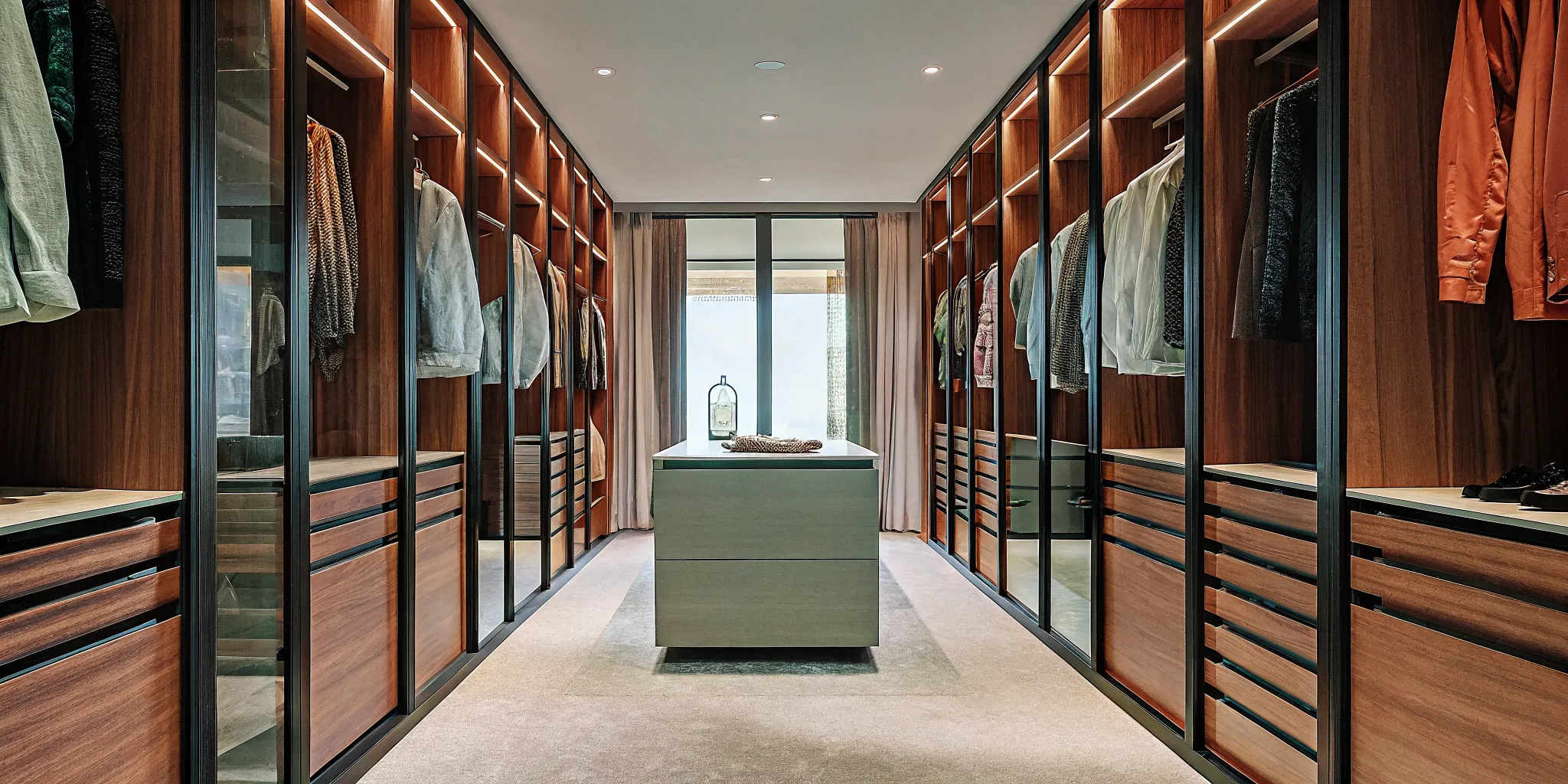
Your wardrobe is a reflection of your personal style, so why shouldn’t your closet be? Too often, we try to make do with generic, one-size-fits-all organizers that simply don’t work for our specific needs. You end up with wasted space, and your closet still feels cluttered. A truly functional space is born from a design that’s built around you. It considers your unique collection of clothes, shoes, and accessories. This guide is dedicated to the power of personalization. We will explore different walk in closet designs and features, helping you create a space that is as unique as you are, ensuring every inch is tailored to fit your life and your style perfectly.
Key Takeaways
- Design around your actual wardrobe: A successful closet plan starts with a detailed inventory of your belongings. Designing your layout based on what you own, not what you think you should own, ensures the final space is perfectly tailored to your life.
- Create functional zones with mixed storage: The most efficient closets use a smart combination of storage types. Combine double-hang rods, drawers, and open shelving to create specific zones for different items, which simplifies your daily routine.
- Use light and mirrors to expand the space: Strategic lighting and mirrors are powerful tools for making any walk-in closet feel larger and more open. Layering your light sources and adding a full-length mirror will brighten the room and create an illusion of depth.
Find the Right Walk-In Closet Layout
Choosing the right layout is the first and most important step in designing a walk-in closet that you’ll love for years to come. The shape and size of your space will guide your decision, but the goal is always the same: to create a functional, beautiful closet that makes getting ready feel effortless. Think of the layout as the foundation of your closet. It determines the flow, dictates how much storage you have, and sets the overall tone for the room. A well-planned layout can make a small closet feel surprisingly spacious, while a poorly planned one can make even a large room feel cramped and chaotic.
Before you start thinking about finishes or accessories, take the time to consider how you use your space daily. Do you need a spot to sit and put on shoes? Do you want to display your handbag collection? Answering these questions will help you identify the best configuration. From simple, single-wall designs perfect for narrow spaces to luxurious, boutique-inspired layouts that turn a spare room into a personal showroom, there’s a perfect option for every home and wardrobe. Understanding these different configurations will help you visualize what’s possible in your own space and communicate your vision clearly. Let’s explore the most popular options to help you find the one that fits your life.
The Straight Layout
If you’re working with a narrow walk-in, the straight layout is your best friend. This design uses a single wall for all your storage, creating a clean, streamlined look. By focusing storage on one wall, you keep the walkway clear and make the space feel open and accessible. It’s a highly efficient design that makes the most of vertical space with double-hanging rods, tall shelving, and upper cabinets for off-season items. This layout proves that you don’t need a massive room to have a perfectly organized and functional walk-in closet. It’s all about smart, simple design.
The L-Shaped Layout
The L-shaped layout is a popular choice for square or medium-sized walk-in closets. By using two adjacent walls for storage, you get a significant amount of hanging space and shelving while leaving plenty of open floor space. This layout creates a natural corner that’s perfect for specialized storage, like long-hang sections for dresses or coats. The open area makes the closet feel more spacious and provides room for a full-length mirror, a small bench, or simply a comfortable spot to stand while you plan your outfit. It’s a versatile option that balances generous storage with a comfortable, airy feel.
The U-Shaped Layout
For those with a larger closet or a spare room ready for a transformation, the U-shaped layout offers the ultimate storage capacity. This design utilizes three walls, wrapping you in a beautifully organized space where everything has its place. With a U-shaped layout, you can create distinct zones for different types of clothing, shoes, and accessories, making it easy to find exactly what you need. This immersive design turns your closet into a personal wardrobe room, offering an abundance of space for hanging rods, drawers, shelves, and cabinets. It’s the perfect choice for anyone who wants to maximize every inch of their closet.
The Island Layout
An island adds a touch of luxury and a major dose of functionality to a large walk-in closet, typically one with a U-shaped layout. This freestanding feature serves as a central hub for your dressing room. The countertop provides a perfect surface for folding clothes, packing a suitcase, or laying out accessories. Below, drawers can house everything from jewelry and sunglasses to lingerie and sweaters. An island instantly makes a closet feel more like a high-end boutique and provides valuable storage that’s both beautiful and practical. To create a truly custom centerpiece like this, it’s always best to partner with a designer.
The Boutique Layout
If you want your closet to feel like a personal showroom, the boutique layout is for you. This design is less about hiding things away and more about displaying your favorite pieces with style. Think open shelving for your handbag collection, glass-front cabinets to showcase shoes, and integrated LED lighting to highlight your most-loved items. The focus is on high-end finishes, thoughtful lighting, and a curated feel that turns getting dressed into an experience. This layout often borrows elements from other designs, like a U-shape or an island, but elevates them with luxurious details that make your closet a true showpiece.
How to Plan Your Walk-In Closet Design
A great walk-in closet starts with a great plan. Before you get caught up in beautiful finishes and clever accessories, taking the time to think through your needs will ensure the final design is both stunning and practical. Following these five steps will help you create a clear vision for your space, making the design process smooth and successful. It’s all about creating a closet that truly works for you and your lifestyle.
Step 1: Inventory Your Wardrobe
First things first, you need to know exactly what you’re storing. Make a complete list of everything you want to keep in your new closet, including items that might currently be hiding in other rooms. Go through your entire wardrobe, from hanging clothes and folded sweaters to shoes, bags, and accessories. This isn’t just about counting items; it’s about understanding your collection. Do you have a lot of long dresses? A massive sneaker collection? Getting a clear picture of what you own is the essential first step to designing a closet that will fit it all perfectly, with room to grow.
Step 2: Measure Your Space and Belongings
Once you know what you have, it’s time to figure out how much space it all needs. Grab a tape measure and get to work. Measure the dimensions of your closet, noting the location of doors, windows, and any existing fixtures. Next, measure your belongings. See how much space your clothes take up on the rod, both side-to-side and top-to-bottom for long and short items. Measure the height of your folded sweaters and the depth of your shoes. These details are critical for creating custom closets with shelving and hanging rods that are perfectly sized for your things, ensuring no space is wasted.
Step 3: Sketch a Layout and Map Out Zones
Now you can start visualizing the layout. Grab some graph paper or use a simple design app to draw your closet’s walls to scale. This will help you see how different configurations might work. As you sketch, think about creating "zones" for different categories of items. For example, you could dedicate one wall to work attire, a corner for workout clothes, and a specific section for formal wear. Grouping similar items together makes your daily routine much more efficient. This same zoning principle is what makes a custom pantry so functional, and it works just as well for your clothes.
Step 4: Choose Your Finishes and Features
This is where your personal style comes into play. Think about the overall look and feel you want for your closet. Do you prefer a clean, modern aesthetic with Classic White finishes, or something warmer with a natural Ash Wood Grain? Beyond the look, consider the functional features you’ll need. Plan for electrical outlets for charging devices or plugging in a steamer. Think about where you’ll need the best lighting and where the light switch should go for easy access. Our team believes these small details are what transform a standard closet into a truly personalized and functional space.
Step 5: Partner With a Designer
Bringing your vision to life is much easier with an expert by your side. A professional designer can help you avoid common pitfalls, maximize every inch of your space, and suggest solutions you may not have considered. They take your inventory, measurements, and ideas and translate them into a functional, beautiful design that fits your budget. At High Country Closets, we start every project with a free design consultation to assess your space and understand your needs. If you’re ready to turn your dream closet into a reality, you can book an appointment with one of our designers today.
Discover Your Walk-In Closet Style
Your walk-in closet is more than just a storage area; it’s a personal space that should reflect your taste and simplify your daily routine. The beauty of a custom design is that it can be tailored to fit your unique aesthetic. Whether you prefer clean, modern lines or the cozy warmth of a rustic retreat, your closet’s style can make getting ready feel like a dream. Exploring different styles is the first step toward creating a space that’s both functional and a true extension of you. Let’s look at a few popular design directions to help you find your perfect match.
Modern and Minimalist
If you love clean lines and a “less is more” philosophy, a modern and minimalist closet is for you. This style focuses on simplicity and function, creating a calm, clutter-free environment. Think flat-front drawers, sleek, integrated hardware, and a neutral color palette of whites, grays, and blacks. The goal is to make the space feel open and uncluttered, where every item has its place and the design itself is understated. Customization ensures every inch is used efficiently, resulting in a space that feels both orderly and effortlessly chic. These custom closets are designed to hide clutter and highlight a streamlined look.
Traditional and Classic
A traditional closet design offers timeless elegance that never goes out of style. This look often features rich wood finishes, decorative moldings, and classic hardware in finishes like brass or oil-rubbed bronze. It creates a warm, inviting atmosphere that feels both sophisticated and comfortable. With details like raised-panel cabinet doors and beveled edges, a traditional closet has a sense of permanence and fine craftsmanship. We believe every system should be expertly tailored to your style and routine, and a classic design provides a beautiful, enduring foundation for organization.
Glamorous and Boutique-Inspired
Why not make getting dressed feel like a high-end shopping experience every day? A glamorous, boutique-inspired closet turns your space into a personal showroom. This style is all about luxury, featuring elements like glass-front cabinets to display your favorite pieces, a central island with a stone countertop, and dramatic lighting. Mirrored doors, a plush ottoman or bench, and a dedicated vanity space add to the opulent feel. It’s a perfect choice for anyone who loves fashion and wants their wardrobe to be a source of daily inspiration and indulgence.
Rustic and Warm
Inspired by the natural beauty of mountain living, a rustic closet style brings warmth and character into your home. This design embraces natural materials, featuring rich wood grains, earthy tones, and hardware with a handcrafted feel, like forged iron. It’s about creating a cozy, comfortable, and grounded space that feels connected to the outdoors. Open shelving made from reclaimed wood or systems with a warm, textured finish can make your closet feel like a peaceful retreat. This approach brings form, function, and a touch of local flair, perfectly suiting a home inspired by mountain living.
Must-Have Features for an Organized Closet
A truly great walk-in closet is more than just a place to hang your clothes. It’s a personalized system where every item has a home, making your daily routine smoother and more enjoyable. The secret lies in choosing the right features that cater specifically to your wardrobe and lifestyle. When you plan your closet, think beyond a simple rod and a shelf. Consider how you can incorporate a mix of storage solutions to handle everything from bulky winter coats to delicate jewelry. A well-designed space combines different elements to create a functional and beautiful room that works for you.
The right combination of hanging space, shelving, drawers, and accessories is what transforms a standard closet into a custom-designed sanctuary. For example, if you have a large collection of shoes but mostly wear casual clothes, your needs will be very different from someone with an extensive corporate wardrobe and a love for designer handbags. That’s why a one-size-fits-all approach rarely works. Taking the time to think through what you own and how you want to access it is the first step toward creating a space that feels intuitive. The goal is to build a closet that not only stores your belongings but also simplifies your life. Let’s look at the essential features that will help you achieve a perfectly organized closet.
Shelving and Hanging Space
The foundation of any organized closet is a smart combination of shelving and hanging space. Instead of one long rod, think in terms of zones. Double-hang rods are perfect for maximizing vertical space, allowing you to hang shirts, blouses, and folded pants in two efficient rows. Reserve single, full-length hanging areas for dresses, long coats, and suits. For items you don’t use often, like seasonal gear or extra blankets, add high shelves about 12 to 18 inches from the ceiling. This simple strategy keeps less-used items out of the way but still accessible, making your daily-use closets feel much more manageable and open.
Drawers and Cabinets
Drawers are your best friend when it comes to hiding clutter and keeping your closet looking clean and streamlined. They are the perfect spot for folded items like t-shirts, sweaters, jeans, and workout gear. Drawers also provide a tidy home for smaller things like socks, underwear, and pajamas. For an even cleaner look, consider adding cabinets with doors. They can conceal stacks of clothing or store personal items you’d rather not have on display. By incorporating plenty of drawers and cabinets into your wardrobe design, you create a calm, organized environment where everything is neatly tucked away and easy to find.
Smart Shoe Storage
If you’re tired of tripping over a pile of shoes, it’s time to think about smart shoe storage. The best solution depends on your collection. Angled shelves are fantastic for displaying heels and dress shoes, making it easy to see all your options at a glance. For a more compact approach, pull-out shoe racks keep your footwear organized and accessible without taking up too much space. You can also opt for cubbies, which are great for sneakers, flats, and sandals. A custom design allows you to create the perfect system to protect your shoes and keep them off the floor for good.
Hooks, Bins, and Baskets
Some of the most effective organizational tools are also the simplest. Don’t overlook the power of hooks, bins, and baskets. Install a few hooks on an empty patch of wall to hang robes, belts, purses, or the jacket you wear every day. This keeps frequently used items within easy reach and off your furniture. You can also place stylish bins or baskets on open shelves to corral smaller accessories like scarves, hats, and clutches. This is a great way to add a touch of personal style while keeping your entryway or closet tidy and functional.
Dividers and Drawer Organizers
The real magic of a perpetually organized closet happens inside the drawers. Drawer dividers are essential for keeping small items like socks, underwear, and ties from becoming a jumbled mess. Everything has its own compartment, making it easy to find what you need and even easier to put things away. You can also find specialized inserts for jewelry, watches, and sunglasses. These small but mighty organizers are what truly maintain order in the long run, ensuring your beautifully designed closet stays that way day after day.
Add the Finishing Touches
Once you have the core structure of your closet in place, it’s the finishing touches that truly make the space your own. These details are about more than just looks; they add function, create ambiance, and turn a simple storage area into a personalized retreat. Thoughtful lighting, well-placed mirrors, and even proper airflow can transform your walk-in closet from a place where you just keep your clothes to a space you genuinely enjoy using every day.
Layer Your Lighting
Good lighting is a game-changer in any walk-in closet. Instead of relying on a single overhead fixture, think in layers. Ambient lighting provides overall brightness, while task lighting helps you see what you’re doing, like picking out the right pair of black pants. The final layer, accent lighting, is where the magic happens. We can incorporate LED accent lighting and lit glass shelves into your custom closet design to highlight your favorite handbags, shoes, or accessories. This not only makes it easier to find what you need but also gives your closet a sophisticated, boutique-like feel.
Consider Built-In and LED Lights
Planning for lighting early in the design process is key to a clean, integrated look. Think about where you might need outlets for a charging station, a steamer, or a small lamp. Deciding where light switches should go for convenience is also important. If you dream of having sleek LED strips lining your shelves or hanging rods, it’s best to plan for them from the start. A professional designer can help you map out all your electrical needs, ensuring your finished closet is as functional as it is beautiful. When you book a consultation, we can walk through these details together.
Use Mirrors to Add Depth and Function
A mirror is a non-negotiable in any walk-in closet. A full-length mirror is essential for checking your outfit from head to toe, but mirrors also serve another important purpose. They reflect light and create the illusion of a larger space, making even a modest walk-in feel more open and airy. You can place a mirror on a wall, on the back of the closet door, or even integrate it into your cabinetry. A mirrored wardrobe door, for example, is a fantastic way to combine storage and function while saving precious wall space.
Don't Forget Ventilation
Proper ventilation is an often-overlooked but crucial element of closet design. A well-ventilated closet keeps your clothes and accessories fresh and prevents the stuffy, musty smells that can develop in enclosed spaces. This is especially important for walk-in closets that are tightly sealed. Simple solutions can make a big difference, such as choosing doors with louvers or ensuring there’s a small gap at the bottom of the door for air to circulate. At High Country Closets, our design philosophy includes considering every detail, ensuring your closet is a healthy and pleasant environment for your belongings.
Smart Accessories Worth Investing In
Once you have the main structure of your closet in place, the right accessories are what truly make it your own. These thoughtful additions are designed to solve specific storage challenges and simplify your daily routine. From planning your outfits to managing laundry, these smart features can transform your closet from a simple storage area into a highly functional and personalized dressing space. Investing in a few key accessories is one of the best ways to get the most out of your new custom closet.
Pull-Out Valet Rods
A pull-out valet rod is a small but mighty accessory that adds a touch of boutique luxury to your closet. This retractable rod provides the perfect temporary spot to hang your outfit for the next day, making your morning routine feel effortless. You can also use it to air out a gently worn garment or stage outfits while packing for a trip. It’s a simple, discreet feature that slides away when not in use, but you’ll be surprised how often you reach for it. This small addition can completely streamline your daily planning and help you start your day with a sense of calm and order.
Integrated Hampers
Tired of a laundry basket taking up floor space or clothes piling up on a chair? An integrated, pull-out hamper is the perfect solution. Tucked away behind a cabinet door, these hampers keep dirty laundry completely out of sight, maintaining the clean, polished look of your closet. Many designs feature removable liners or double bins, which allow you to easily sort lights and darks as you go. This feature is a game-changer for keeping your beautiful custom closet tidy and turning laundry day into a much more organized process. It’s a seamless way to manage clutter without sacrificing an inch of style.
Jewelry and Accessory Storage
Your jewelry, ties, belts, and scarves deserve better than being tangled in a box or stuffed in a drawer. Thoughtful accessory storage not only protects your favorite pieces but also makes them easier to see and enjoy. Consider velvet-lined drawer inserts for delicate jewelry, custom dividers for sunglasses and watches, or pull-out racks for ties and belts. These specialized storage solutions turn your collection into a beautiful display, making it simple to find the perfect finishing touch for any outfit. It’s a detail that adds immense function and a personal, curated feel to your wardrobe space.
Add a Bench or Ottoman
Including a seating area can completely change the feel of your walk-in closet, turning it into a true dressing room. A stylish bench or ottoman provides a comfortable spot to sit while you put on shoes or a convenient surface to lay out clothing options. It adds a layer of comfort and sophistication, inviting you to take your time and enjoy the space you’ve created. For extra functionality, choose an ottoman with hidden storage for items like handbags or extra blankets. Paired with a full-length mirror, a seating area adds both function and luxury, completing your personal sanctuary.
How to Make a Small Walk-In Closet Feel Bigger
A walk-in closet is a wonderful feature, but a small one can sometimes feel more like a tight squeeze than a personal sanctuary. If your walk-in feels cramped, don't worry. With a few smart design strategies, you can make even a compact space feel open, organized, and surprisingly spacious. It’s not about magic; it’s about making intentional choices that work with your room instead of against it.
The key is to think strategically about three main areas: the layout, the vertical space, and the visual elements. By choosing a floor plan that opens up the room, drawing the eye upward with smart shelving, and using light and mirrors to create a sense of depth, you can completely change the feel of your closet. These adjustments will help you create a functional and beautiful space where everything has its place. A well-designed system can transform your small walk-in into one of your favorite rooms in the house, proving that great closets come in all sizes.
Choose a Space-Saving Layout
The foundation of a great small closet is its layout. For a long, narrow space, a straight layout that uses a single wall for storage is often the most efficient choice. This keeps the floor clear and makes the room feel less crowded. If you have a bit more room to work with, an L-shaped layout is a fantastic option. By placing storage along two adjoining walls, you create an open corner that’s perfect for a full-length mirror or a small bench. For square-shaped closets, a compact U-shaped layout can provide the most storage by utilizing three walls, as long as you maintain enough clear floor space to move around comfortably.
Maximize Vertical Space
When floor space is limited, the only way to go is up. Using the full height of your walls is one of the best ways to increase storage without adding bulk. Install shelves about 12 to 18 inches from the ceiling to hold items you don’t use every day, like out-of-season clothing, luggage, or extra bedding. Double-hanging rods are another game-changer, instantly doubling your hanging space for shirts, skirts, and pants. When planning your shelving, aim for at least 12 inches of depth to fit standard baskets and bins, which will keep your pantry and closet items neatly contained and easy to find.
Use Lighting and Mirrors to Create an Open Feel
Good lighting and reflective surfaces can make a small closet feel twice its size. Swap out a single, dim overhead fixture for brighter, layered lighting. Consider adding LED strips under shelves or along hanging rods to illuminate your clothes and eliminate dark corners. A full-length mirror is another essential. Not only is it practical for getting ready, but it also reflects light and creates an illusion of depth, making the space feel more expansive. Mounting the mirror on a wall or the back of the door saves precious floor space. These thoughtful details are what our designers love to plan when you book a consultation with us.
Common Closet Design Mistakes to Avoid
Designing your dream closet is exciting, but a few common missteps can turn that dream into a daily frustration. By planning ahead and thinking through your real-world needs, you can create a space that is both beautiful and perfectly functional. Let’s walk through some of the most frequent mistakes I see and how you can easily sidestep them.
Underestimating How Much Storage You Need
One of the biggest mistakes is not accounting for everything you own. It’s easy to forget about the winter coats stored in the garage or the extra bedding tucked away in another room. Before you start designing, take a complete inventory. Make a list of everything you want to store in your new closet, from shoes and sweaters to luggage and accessories. This will give you a realistic picture of your storage needs. A custom design ensures you’re using every available inch in the best way possible, with solutions that go from floor to ceiling to hold everything you have.
Forgetting About Lighting and Airflow
A closet should be a bright, welcoming space, not a dark cave where you can’t tell your navy socks from your black ones. Poor lighting is a common oversight that can make your closet feel cramped and impractical. Plan your lighting from the very beginning. Think about where you’ll need outlets for charging stations or a vanity, and consider adding integrated LED strips along shelves or rods for a modern, seamless look. Good airflow is also important to keep your clothes fresh, so make sure your design doesn’t block vents or create stuffy, enclosed corners.
Choosing Style Over Function
It’s tempting to get swept up in gorgeous finishes and trendy designs, but a closet that doesn’t work for your lifestyle will quickly lose its appeal. The best design is one that marries style with function. Customization allows you to create a space that reflects your personal taste, whether that’s sleek and modern or warm and classic, while also meeting your specific storage needs. If built-in drawers aren’t in the budget, for example, you can plan for stylish bins on open shelves. The goal is to create a system that makes your daily routine easier, and a tailored design is the key to achieving that balance.
What Does a Custom Walk-In Closet Cost?
Thinking about a custom closet often brings one big question to mind: what’s the price tag? The truth is, the cost is as unique as the closet itself. It’s helpful to think of it not just as a purchase, but as an investment in your home’s value and your daily peace of mind. A well-designed closet can simplify your routine and create a sense of calm, which is priceless. The final cost depends on several key elements, from the size of your space to the special features you choose. Understanding these factors will help you set a realistic budget and design a closet that fits your life perfectly.
Key Factors That Influence Price
The cost of your custom walk-in closet is shaped by your specific vision. The three biggest factors are size, materials, and features. A larger closet will naturally require more materials and labor, influencing the overall price. The materials you select also play a huge role; options range from durable laminates to elegant solid woods, each with a different price point. Finally, the unique design features you add will make the space your own. This includes everything from the number of drawers and cabinets to accessories like valet rods, integrated lighting, and custom hardware. Each choice contributes to the final cost and functionality of your dream closet.
Comparing DIY vs. Custom Solutions
You can find DIY organizer kits at big-box stores for a few hundred dollars, and they can offer a quick fix. However, these one-size-fits-all solutions often don’t make the best use of your specific space. A professional, custom closet system is designed to fit your room’s exact dimensions and your personal inventory. While the investment is higher, the result is a seamless, high-quality space that maximizes every inch. Professionally installed custom closet systems provide a much higher return on investment, especially in a master suite, by adding significant value and appeal to your home.
How to Budget for a High-Quality Closet
Creating a budget for your closet starts with defining your priorities. What are your absolute must-haves? Maybe it’s ample shoe storage or a dedicated space for long dresses. By focusing on the elements that will bring you the most function and joy, you can allocate your funds wisely. You might be surprised to learn that a custom closet is more affordable than you think. The best way to get a clear picture of the cost for your specific project is to talk with a professional. A free design consultation can give you a detailed quote based on your space, needs, and style, so you can book an appointment with confidence.
Is a Custom Walk-In Closet Right for You?
If you’ve ever struggled with a closet that just doesn’t seem to fit your life, you’re not alone. Off-the-shelf organizers can help, but they often leave you with awkward gaps and wasted potential. A custom walk-in closet is a game-changer, transforming a cluttered space into a functional and beautiful part of your home. But is it the right investment for you? Let’s look at what a truly custom system can offer.
The Benefits of a Truly Custom System
The biggest advantage of a custom system is its ability to maximize your space. A design built specifically for your storage needs ensures you’re using every available inch in the best possible way, from floor to ceiling. No more dead corners or high shelves you can’t reach. Instead, every part of your closet has a purpose, designed around the clothes and accessories you actually own. This means your closets become more than just storage; they become highly efficient systems.
Beyond pure function, customization allows your personal style to shine through. Your closet should feel like an extension of your home, not a generic storage unit. A custom design ensures that every detail reflects your taste, whether you prefer sleek modern lines or the warmth of classic finishes. It’s a chance to create a space that is both practical and a joy to be in every day.
Get a Tailored Design with High Country Closets
At High Country Closets, we believe a great design starts with you. Each closet system we create is expertly tailored to match your style and meet your specific storage needs. We take the time to understand how you live, what you need to store, and what frustrations you have with your current space. Whether you’re organizing a walk-in, a pantry, or a garage, the final design will fit seamlessly into your life.
Rooted in modern design and inspired by mountain living, our solutions bring form, function, and a touch of local flair to every home. We combine clean aesthetics with durable materials to create organized spaces that feel both current and timeless. If you’re ready to see what a tailored design can do for your home, you can book a free consultation to get started.
Related Articles
- Custom Wardrobe: Southwest Colorado — High Country Custom Closets
- Custom Entryway Installation: Southwest Colorado — High Country Custom Closets
- High Country Closets: Custom Closets and Storage Solutions
- Custom Closets in Southwest Colorado — High Country Custom Closets
- Custom Garage Storage Solutions — High Country Custom Closets
Frequently Asked Questions
What's the most important thing to do before I even think about design? Before you get lost in beautiful finishes, take a complete inventory of your wardrobe. I mean everything, including the items you have stored in other rooms. Understanding exactly what you need to store, from long coats to your shoe collection, is the foundation of a great design. This step ensures your new closet will actually fit your life, not just look pretty. It prevents the common problem of designing a beautiful space that still doesn't have enough of the right kind of storage.
My walk-in closet is small and awkward. Is a custom design still a good idea? Absolutely. In fact, a custom design is often the best solution for small or unusually shaped spaces. A professional designer is trained to see potential where you might see problems. They can create a layout that maximizes every single inch, using clever solutions to work around sloped ceilings or tight corners. A standard kit from a store just can't do that. A tailored system will make your small closet feel surprisingly spacious and incredibly functional.
What happens during a design consultation? I'm a little nervous about it. There’s no need to be nervous. Think of it as a friendly, creative conversation about your closet. A designer will come to your home to see and measure the space, but most importantly, they will listen. You’ll talk about what’s not working now, what you dream of having, and how you use the space every day. They will bring material samples and ideas, but the goal is to collaborate with you to create a plan that fits your style and budget. It’s a no-pressure process focused on finding the perfect solution for you.
If my budget is limited, what features give the most impact? If you have to prioritize, focus on features that solve the biggest organizational headaches. A smart combination of double-hang rods and single-hang rods will instantly maximize your vertical space and make a huge difference. Also, incorporating drawers is a game-changer for keeping folded clothes, socks, and other small items contained and out of sight. These two elements create a strong foundation for an organized closet that you can always build on later with more specialized accessories.
How can I make sure my new closet stays organized for good? The secret to long-term organization is creating a system where everything has a logical home. This is where features like drawer dividers and specialized accessory storage are so valuable. When your ties, belts, and jewelry have their own designated spots, it’s easy to put them away properly. An integrated hamper is another great feature that keeps laundry off the floor and out of sight. A truly custom design builds these organizational habits right into the closet, making it almost effortless to keep the space tidy.
